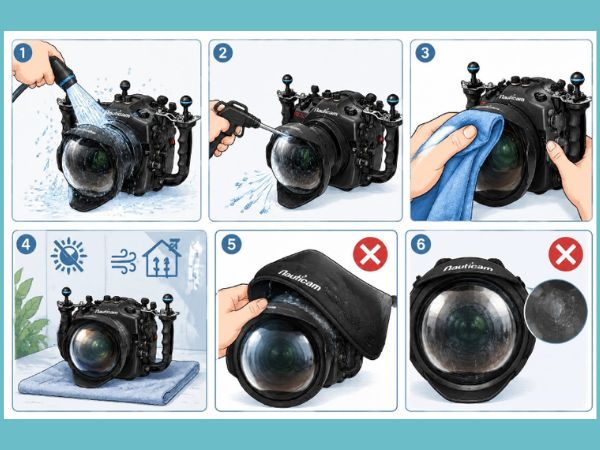
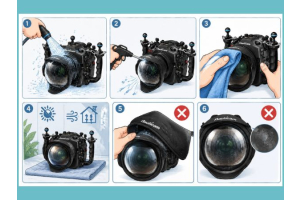
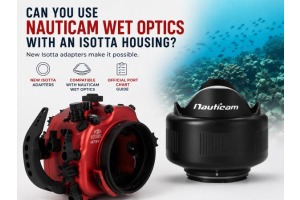
After use in salt water, lenses and ports should be soaked and rinsed in clean fresh water, preferably demineralised water. This helps dissolve salt crystals and prevent corrosion. If only a limited amount of fresh water is available between dives, Nauticam advises using a plastic bottle with a small hole in the cap.
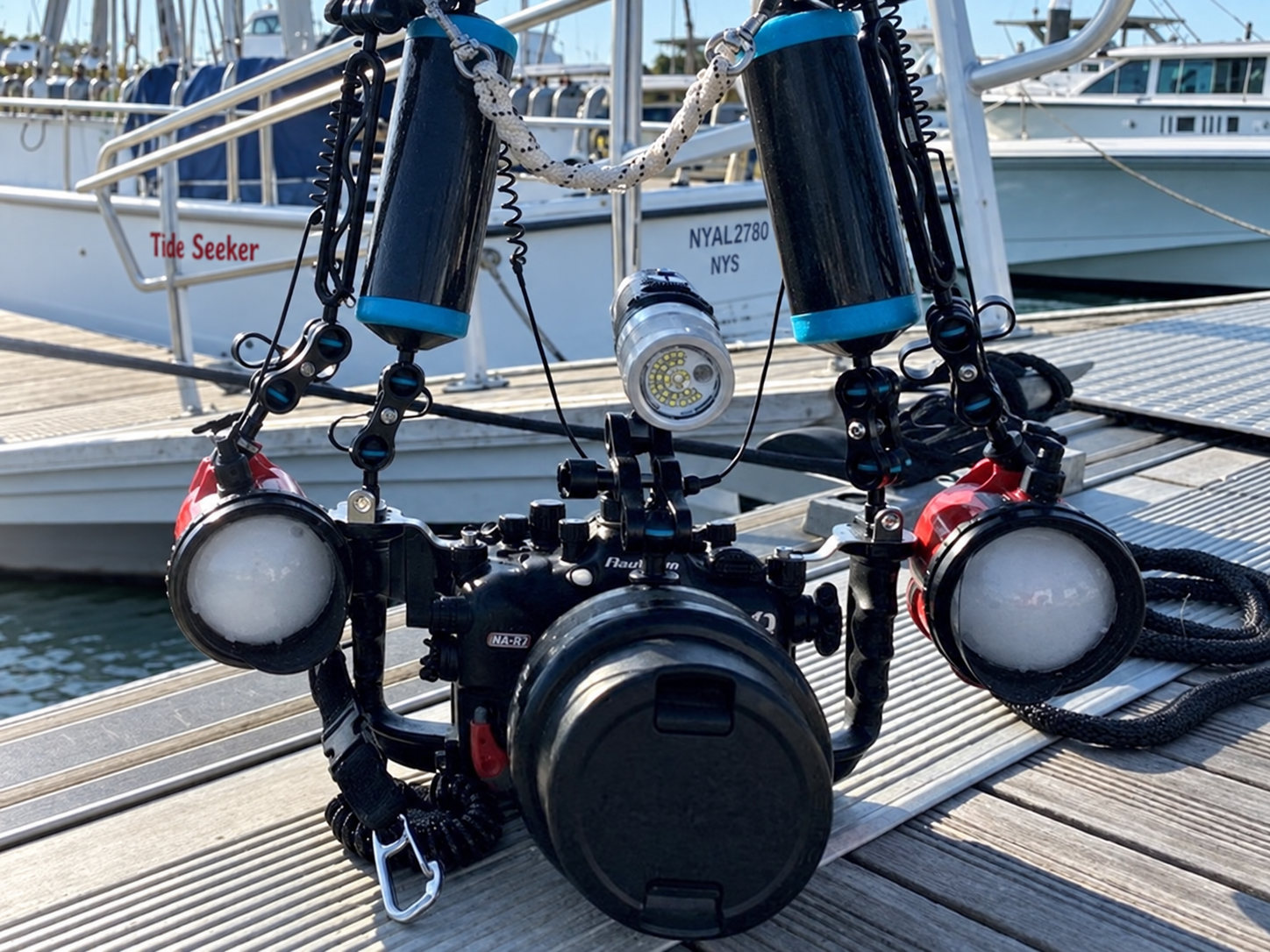
Between two boat dives, your complete setup will usually remain assembled. Rinse it with fresh water after the first dive, but do not leave it in the shared rinse tank where other cameras may contact it. If there is no camera table on board, wrap the fully assembled setup in a towel or another soft material and place it in a safe location. This keeps the equipment protected until the next dive.
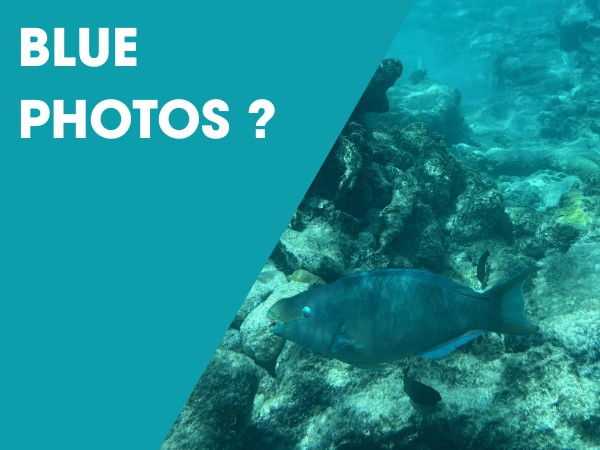
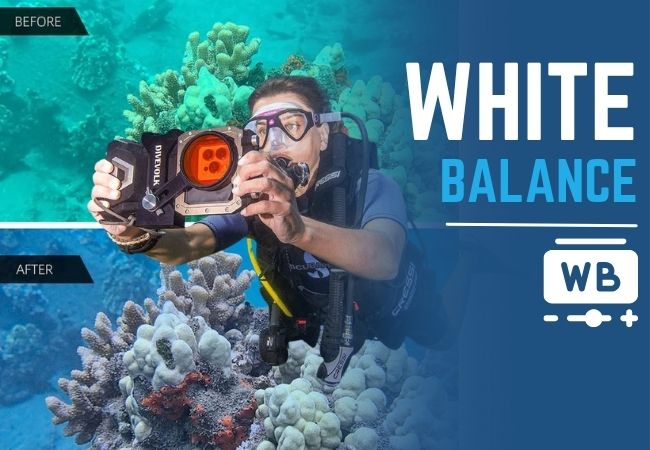
When you start shooting underwater, one thing becomes obvious very quickly: your photos and videos look blue. Even in clear tropical water, warm colors disappear fast. This is not a problem with your camera. It is simply how light behaves underwater. To get natural colors back, you need to correct this.
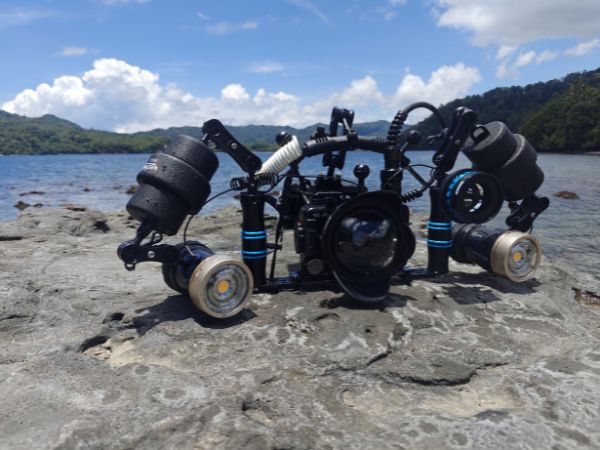
A good underwater photo or video doesn't start with your camera or your lighting, but with control. And you only truly gain control when your underwater camera rig is neutrally buoyant. Not heavily pulling on your wrist, not floating upwards, but calmly "hanging" in the water.
The holiday seasonn brings cold-water dives, warm drinks afterwards, and gift giving. If you need a practical gift for an underwater photo or video user, accessories and starter sets can suit many budgets and experience levels.
Finding a suitable gift for an underwater photographer can be challenging. Equipment, housings and accessories often depend on individual setups. A gift voucher is a practical option that lets the recipient choose exactly what they need, whether that’s a new port, lighting accessory or replacement part.
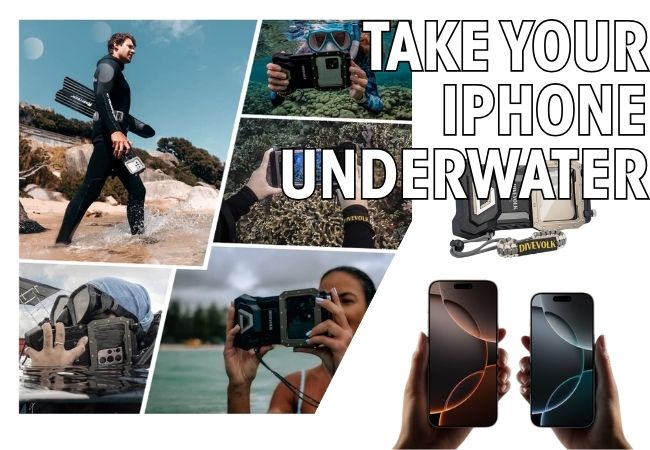
Do you want to take your iPhone safely underwater and capture stunning underwater photos and videos? A Divevolk waterproof iPhone case is the answer. With the innovative Divevolk SeaTouch cases, your smartphone becomes a fully functional underwater camera waterproof down to 60 meters, with a touchscreen that works flawlessly underwater.
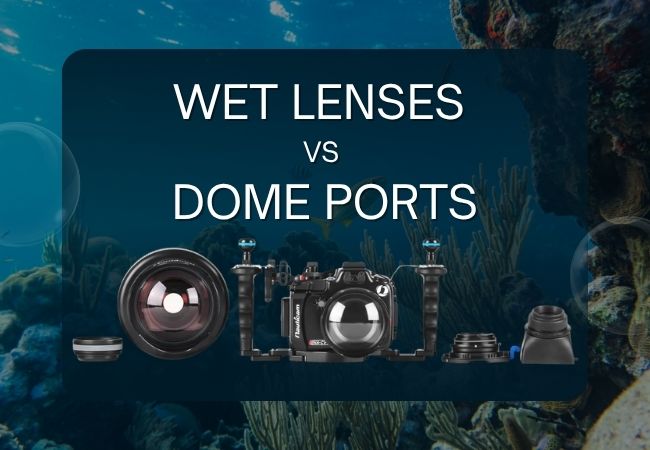
“Should I get a dome port, or is a wet lens a better choice?”
It’s a question we hear all the time at UWcamerastore.com and for good reason. If you're just getting into underwater photography or looking to upgrade your gear, deciding between a dome port and a wet lensis a big step. Both options have their strengths and limitations, and the right choice really comes down to your shooting style, camera setup, and what you want to capture beneath the surface.
In this blog, we’ll break down the differences and help you figure out which one fits your underwater world best.
Planning a holiday and bringing your underwater camera, waterproof camera or underwater housing? Whether you're snorkeling in tropical waters or planning a deep dive, the right preparation ensures a smooth experience and amazing underwater shots. Below are 8 practical tips for stress-free underwater photography.
Have you ever looked at your underwater photos after a dive and thought, “Why does everything look so... blue?” or “I swear those corals were way more colorful than this!” Don’t worry, you're not imagining things. When we take photos underwater, especially without flash or artificial lights, the ocean tends to eat up a lot of the colors we see with our own eyes. Reds and oranges disappear first, leaving us with a lot of dull blues and greens. So what’s the fix? Custom White Balance.

 Nederlands