 Nederlands


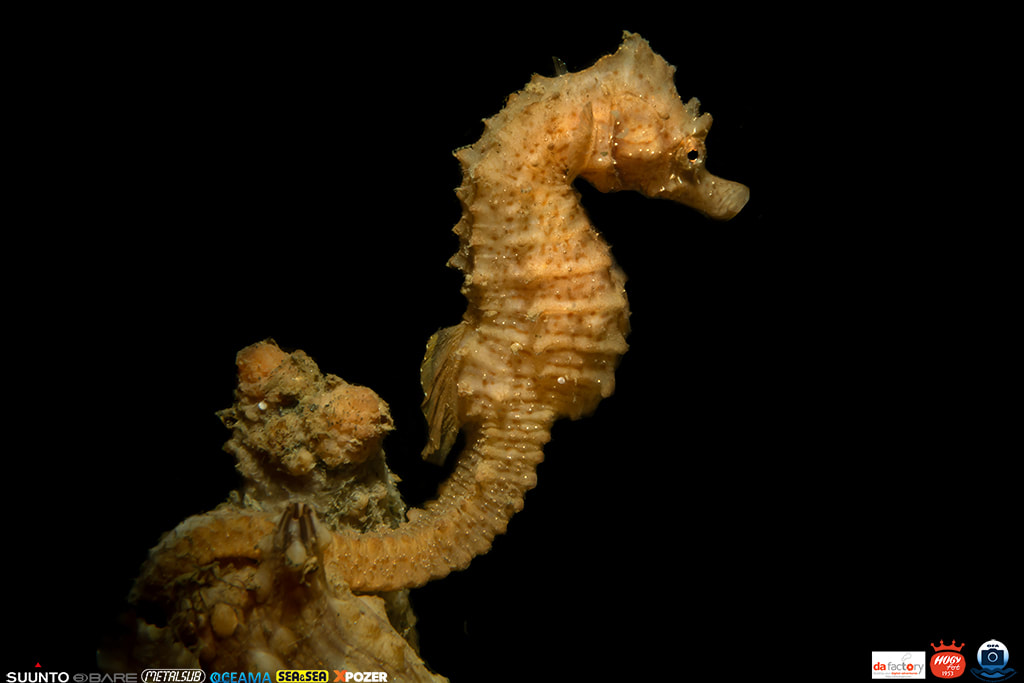
Snoot lighting has become one of the most creative tools in modern underwater photography. It gives photographers precise control over light, allowing you to isolate subjects, remove distracting backgrounds, and create highly dramatic, sculpted images.
At its best, snooting isn’t just about making a “spotlight effect” it’s about shaping light with intention.
What is a Snoot?
A snoot is an attachment fitted to a strobe that narrows the beam of light into a tight, controlled spot.
Instead of lighting a wide area, a snoot allows you to:
- Highlight a single subject in a complex environment
- Create clean black backgrounds
- Emphasize texture, shape, and detail
- Direct attention exactly where you want it in the frame
While the classic “stage light” look is popular, it’s only one of many creative approaches.
How Snoots Evolved
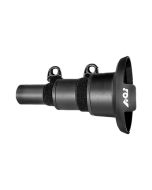
Early snoot setups were simple tubes that physically blocked and restricted light. They worked, but they were:
- Difficult to aim precisely
- Inconsistent in beam shape
- Limited in power efficiency
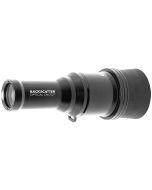
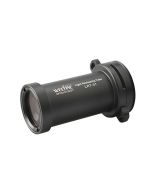
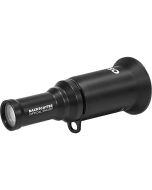
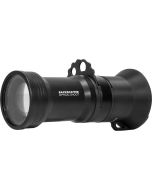
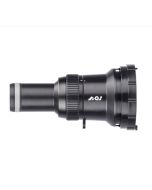
As underwater photography evolved, manufacturers introduced optical snoots, which use internal lens systems to project a focused beam of light much more efficiently.
This shift made snooting far more practical, repeatable, and accessible to photographers at all levels.
Types of Snoots Today
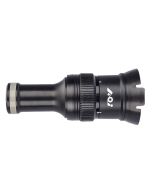
Simple (Reduction) Snoots
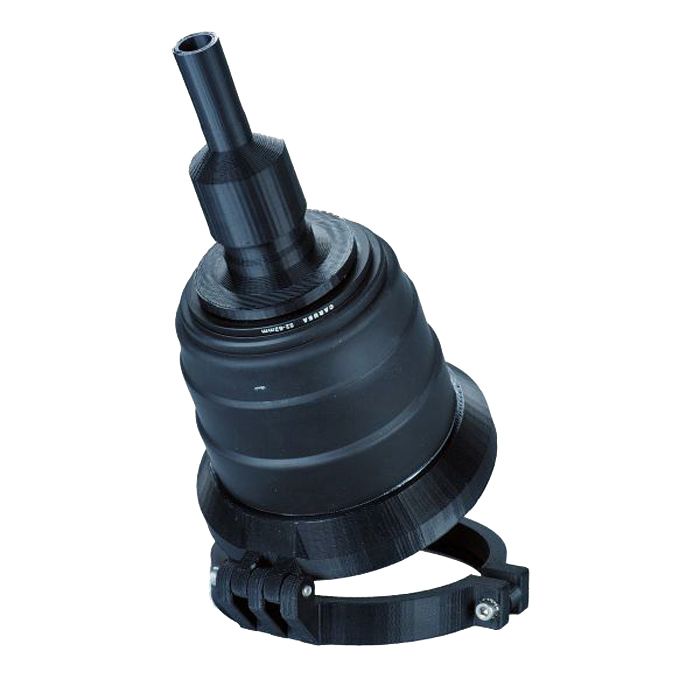
These basic snoots restrict light through physical narrowing.
Pros:
- Affordable
- Simple design
- Lightweight
Cons:
- Less precise beam control
- Reduced light output
- Harder to aim consistently
Optical Snoots
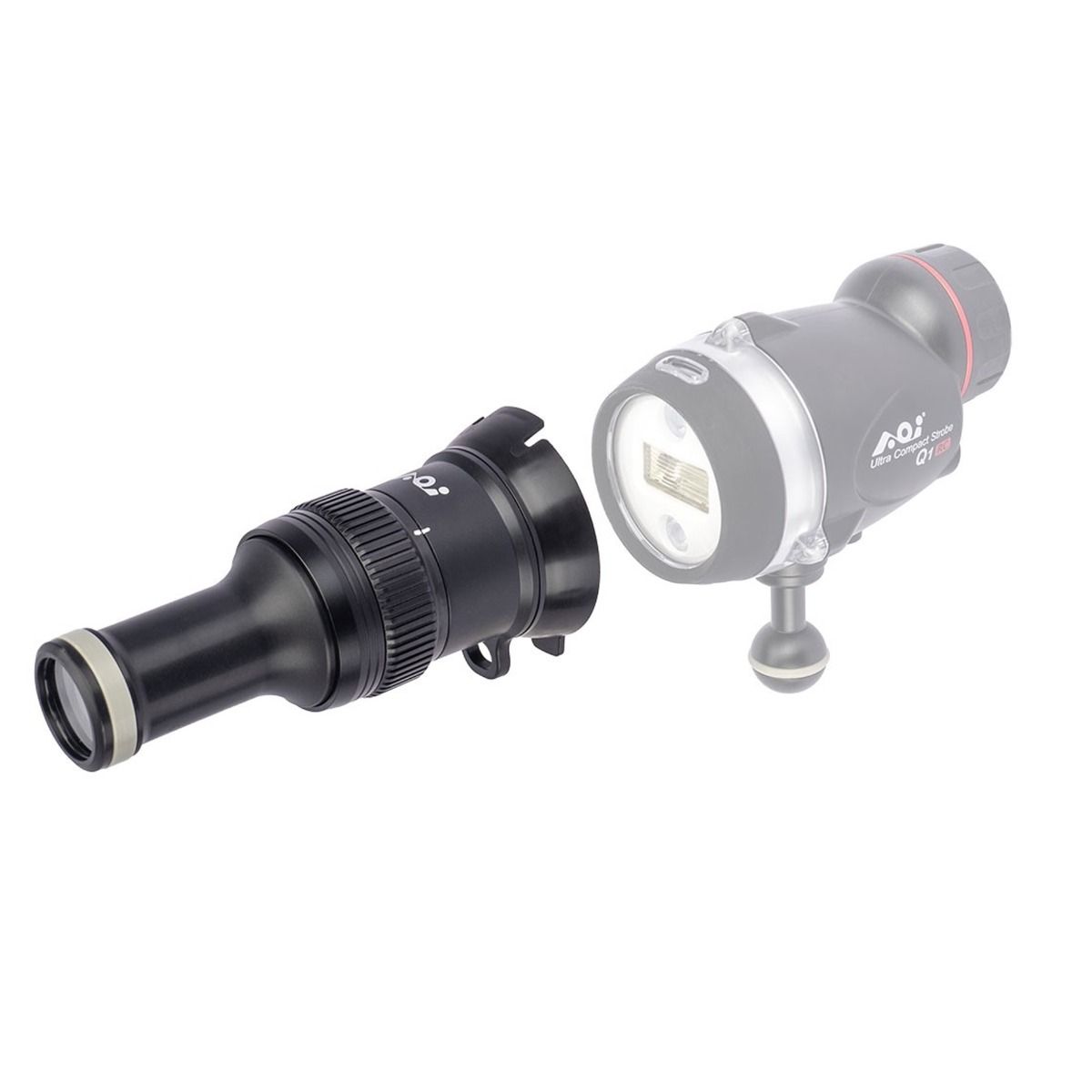
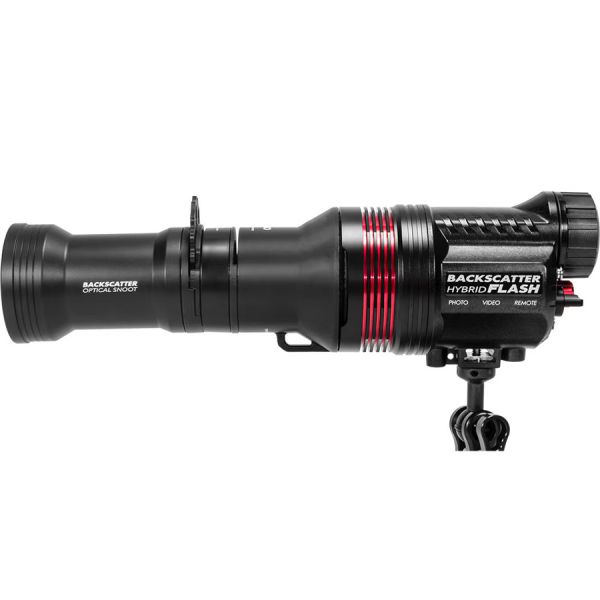
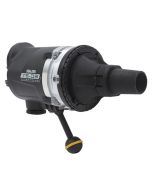
Optical snoots use internal lenses to focus the strobe light into a sharper, more controllable beam.
Pros:
- Much stronger light efficiency
- Sharper, cleaner beam edges
- Better control over size and shape
- More consistent results underwater
Many modern systems also allow inserts or adjustable apertures to fine-tune the light spot.
Beyond the Classic Spotlight
While many photographers associate snoots with a centered spotlight effect, their real strength lies in creative lighting control.
Isolating Subjects
Perfect for busy or distracting environments where clean separation is needed.
Revealing Texture
Hard, directional light can bring out details in macro subjects with complex surfaces.
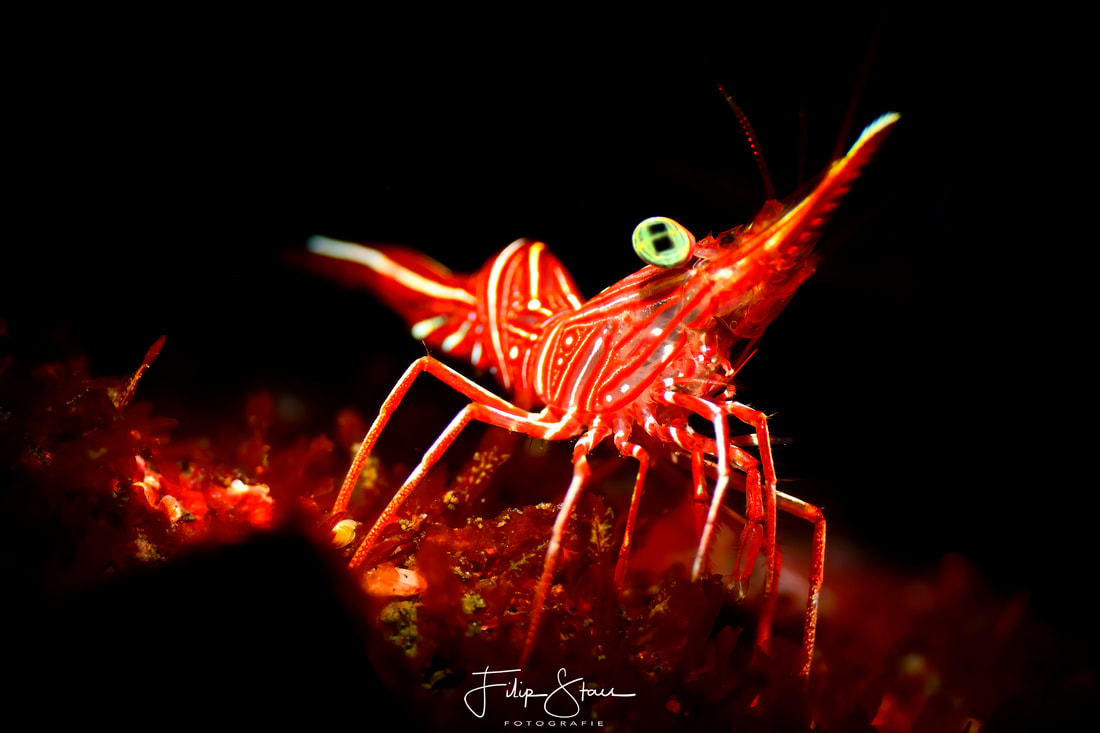
The subject is lit from a front-diagonal angle using a snoot, making it stand out clearly.
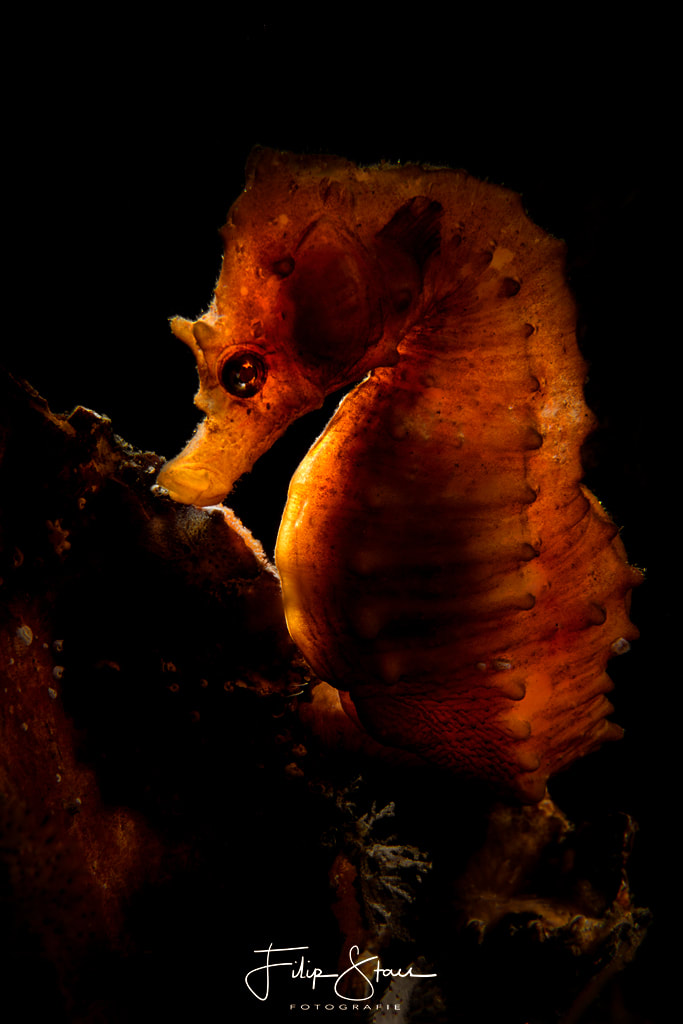
Backlighting works very effectively with a snoot.
Background Control
Snoots can completely eliminate or selectively light backgrounds, especially in:
- Sand
- Rubble
- Low-visibility dive sites
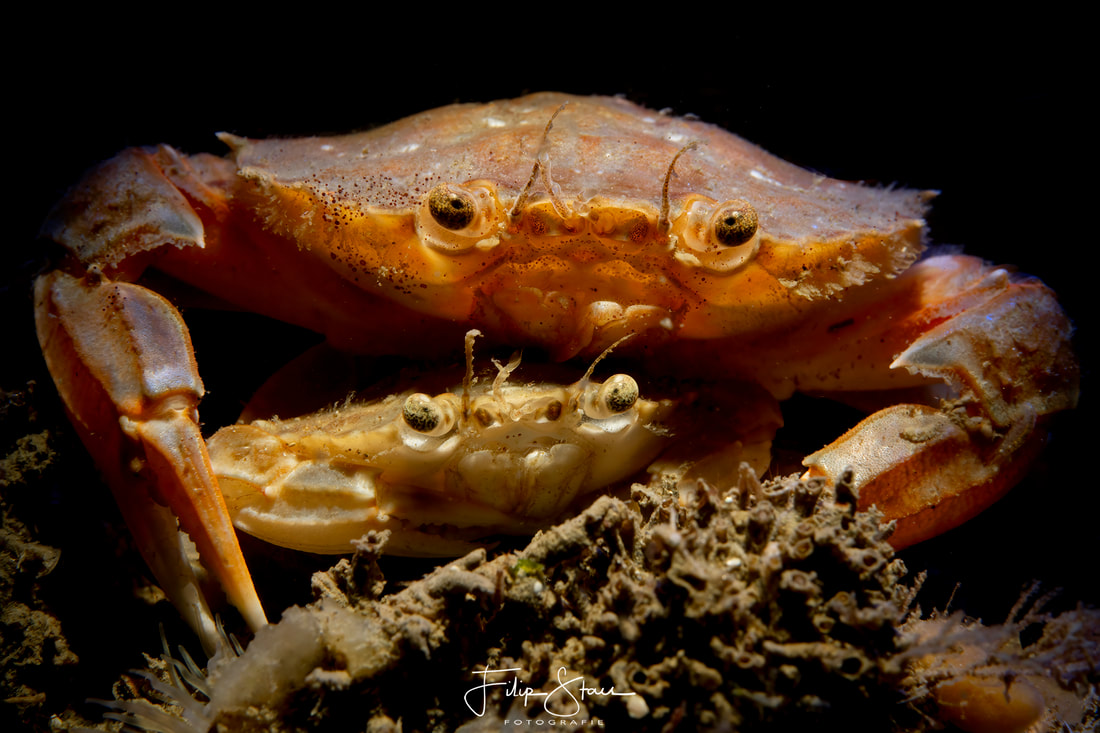
Diagonal snoot lighting from above.
This makes them especially valuable in real-world diving conditions where “clean” backgrounds are rare.
Practical Snoot Technique
1. Align with Your Lens Port
Start by positioning the snoot parallel to your camera port. This ensures your beam follows your shooting direction.
2. Find Your Working Distance
Move slowly toward your subject while watching the aiming light. When the beam lands correctly, you’ve found your optimal shooting distance.
3. Use Distance Instead of Constant Adjustment
Rather than constantly re-aiming:
- Move slightly forward or backward
- Re-focus your camera
- Let the beam shift naturally with distance
This is much faster and more reliable underwater.
A Smarter Way to Start a Snoot Shot
One of the most effective habits is to set your lighting before approaching your subject.
Photographers often:
- Test lighting on a rock or similar object
- Lock in snoot angle and exposure
- Then move to the actual subject
This avoids stressing the subject and reduces setup time underwater.
Advanced Snooting Applications
Once the basics are comfortable, snooting opens up much more creative freedom:
- Wide-angle snooting for controlled beams in larger scenes
- Combining snoots with long exposures for motion effects
- Separating subject and background lighting for layered compositions
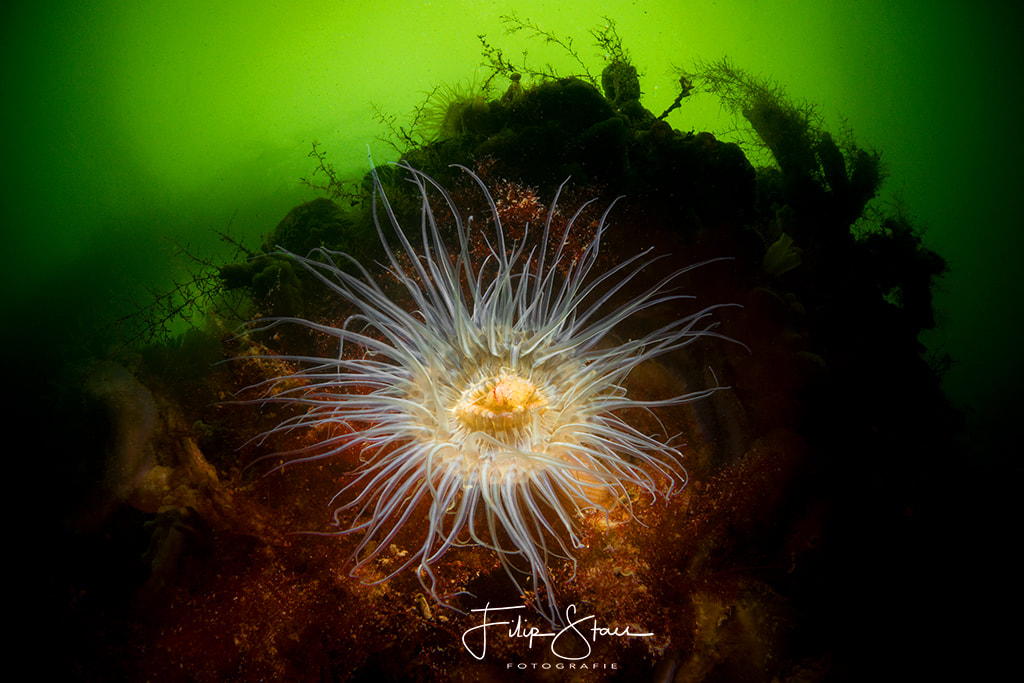
A wide-angle shot with a snoot highlighting the subject, making it pop from the scene.
These techniques push snooting far beyond macro spotlight photography.
Final Thoughts
Snoot lighting is one of the most powerful tools in underwater photography when used deliberately. It transforms light from something broad and environmental into something precise and sculpted.
For photographers working in real-world dive conditions, where backgrounds are rarely perfect, it becomes less of a specialty trick and more of a core creative tool.