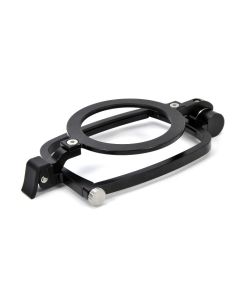
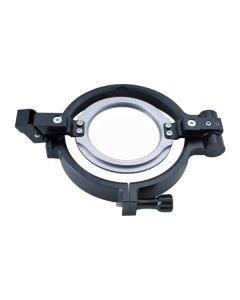
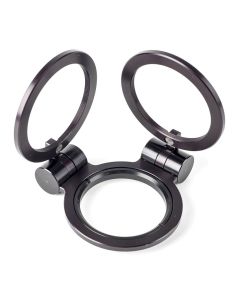
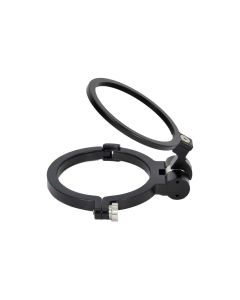
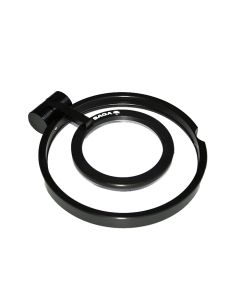
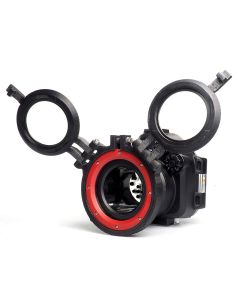
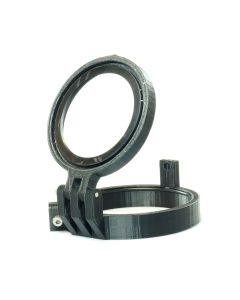
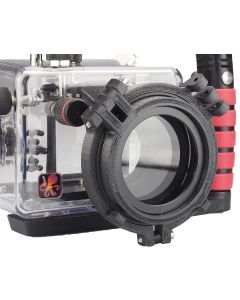
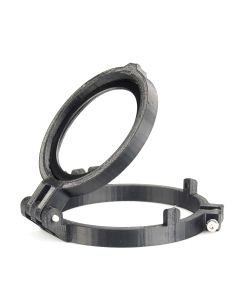
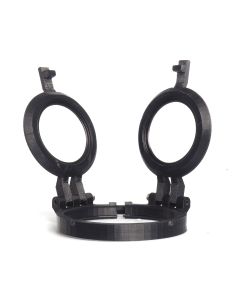
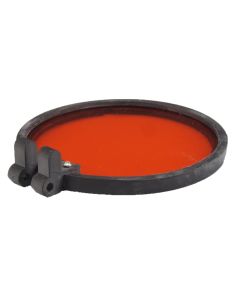
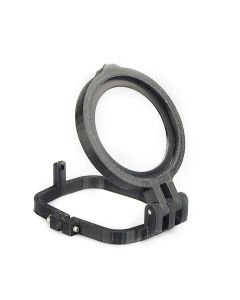
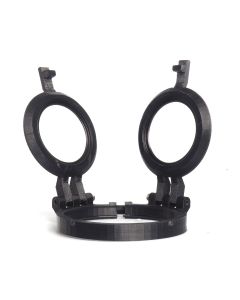
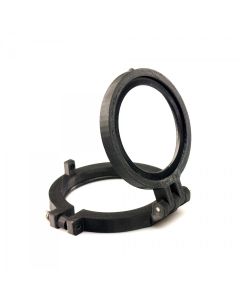
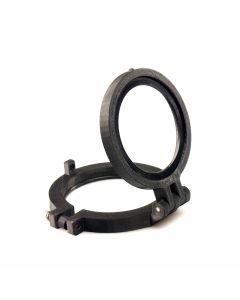
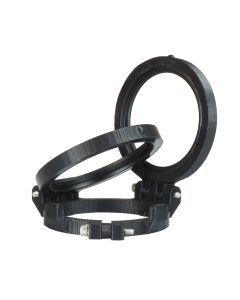
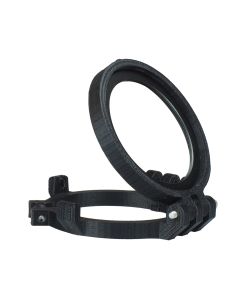
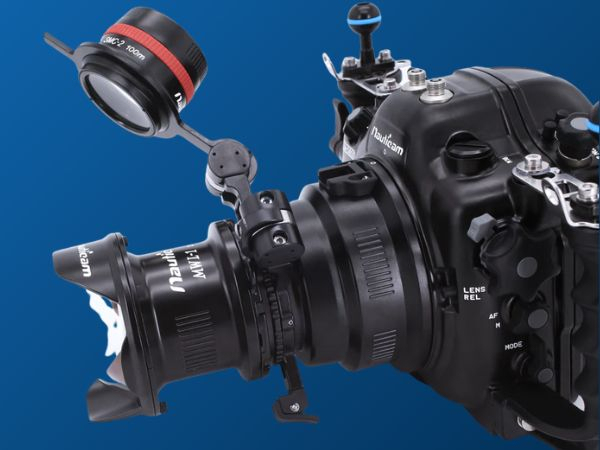
Flip adapters make it possible to switch quickly between wet lenses underwater without removing them from your housing. This allows you to react faster to changing subjects and improves efficiency during your dive, especially when shooting macro.
Flip adapters for wet lenses on underwater housings
A flip adapter is mounted on the front of an underwater housing and allows you to position a wet lens in front of the port or move it away when not needed. This makes it easier to work efficiently underwater, especially when using macro lenses. Flip adapters are an essential accessory for underwater photographers who frequently use macro wet lenses.
Want to learn how flip adapters work in practice? Read our guide on how to use a flip adapter underwater.
Single and double flip adapter options
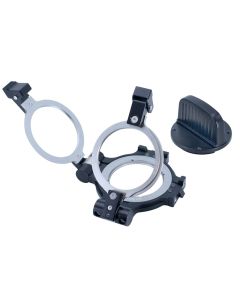
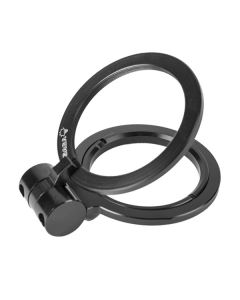
Flip adapters are available in different configurations depending on your setup. A single flip adapter holds one wet lens, while a double flip adapter allows you to switch between two macro lenses with different strengths.
This gives you more flexibility during a dive without removing your lens.
Compatibility and mounting
Most flip adapters use an M67 thread, making them compatible with a wide range of wet lenses and underwater housings. Some systems clamp directly onto the port, depending on the design.
Flip adapters are mainly used with macro wet lenses. For wide-angle wet lenses, other mounting systems such as bayonet mounts are usually more suitable.
- Mounted externally on the housing port
- Designed for macro wet lenses
- Available in single and double versions
- Often compatible with M67 thread systems
- Allow fast switching during a dive
Frequently asked questions about flip adapters
What is a flip adapter?
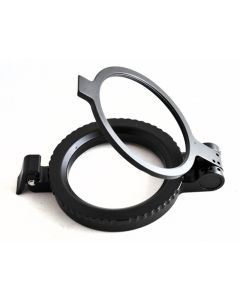
A flip adapter is a mounting system that allows you to flip a wet lens in front of your underwater housing port and move it away when not needed.
When should I use a flip adapter?
Flip adapters are mainly used for macro photography, when you want to switch quickly between different magnifications during a dive.
Can I use a wide-angle lens with a flip adapter?
Wide-angle wet lenses are usually not suitable for flip adapters. These lenses require precise positioning and are typically used with bayonet systems.
What is the difference between a single and double flip adapter?
A single flip adapter holds one lens, while a double version allows you to switch between two macro lenses with different strengths.
How are flip adapters mounted?
Depending on the system, flip adapters are mounted in different ways. Some clamp directly onto the front of the housing port, while others are screwed into the M67 thread on the port. The right mounting method depends on your housing and preferred setup.

 Nederlands
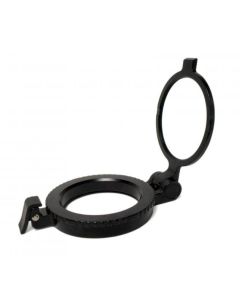
![Nauticam M67 Double Flip Holder for M67 Macro Ports [25108]](https://www.uwcamerastore.com/media/catalog/product/cache/95610db0475c72f3450e0eb46c731530/2/5/25108.jpg)
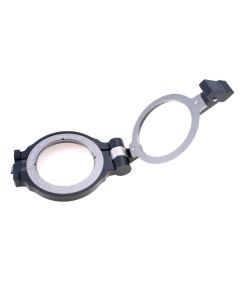
![Nauticam M67 Double Flip Holder for M77 Macro Port [25109]](https://www.uwcamerastore.com/media/catalog/product/cache/95610db0475c72f3450e0eb46c731530/2/5/25109.jpg)