Floats and belts for underwater camera buoyancy control
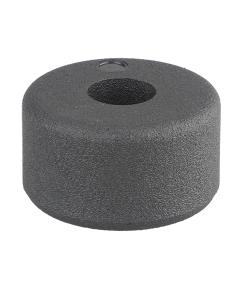
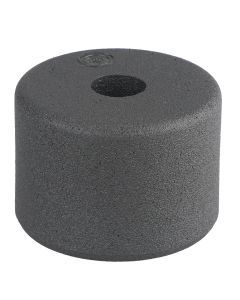
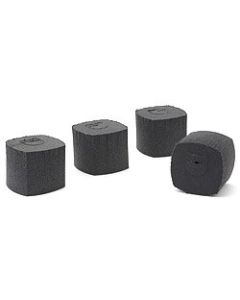
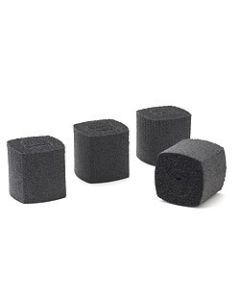
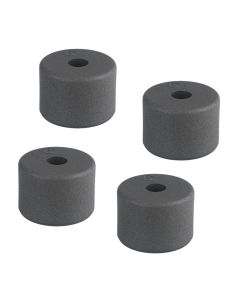
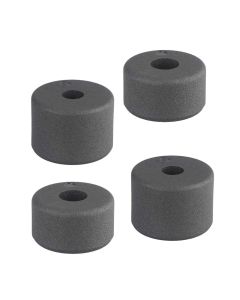
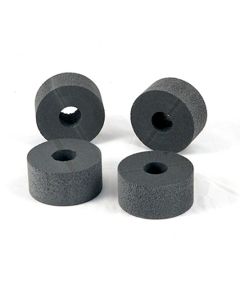
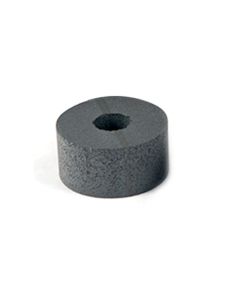
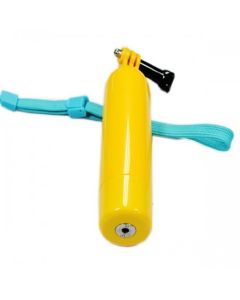
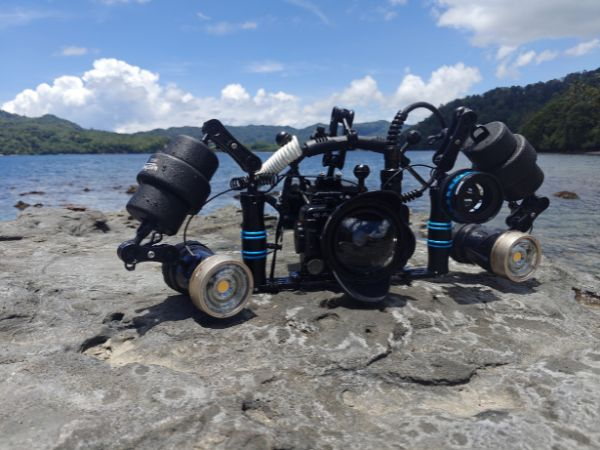
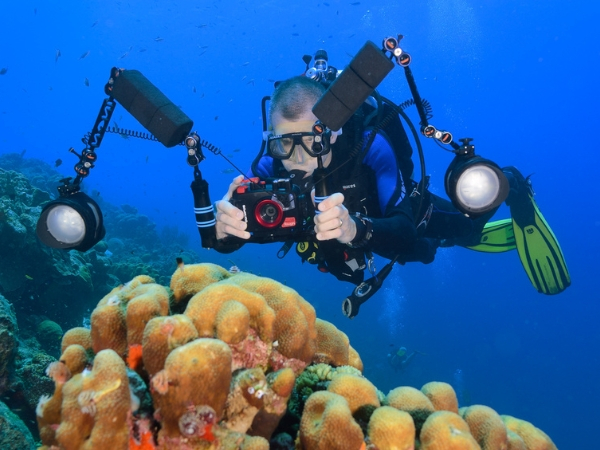
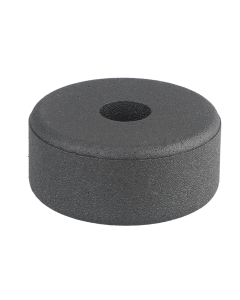
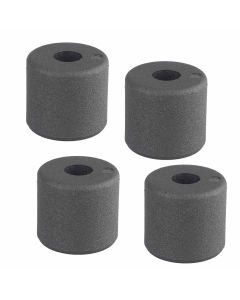
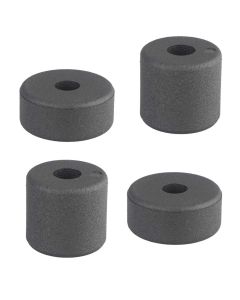
Floats are buoyancy blocks placed around tray arms to add lift. They compensate for the heavy mass of strobes, lights or housings and make the system easier to handle. For integrated solutions where buoyancy is built into the arm itself, see float arms.
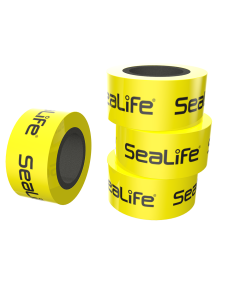
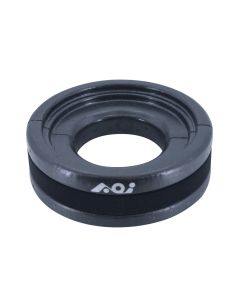
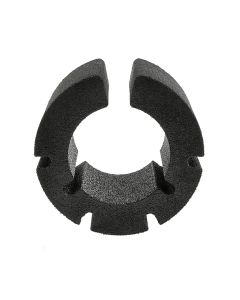
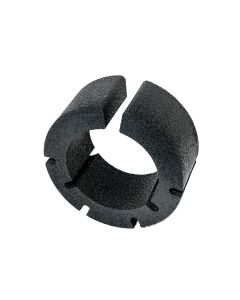
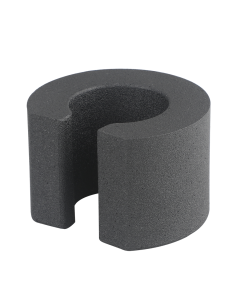
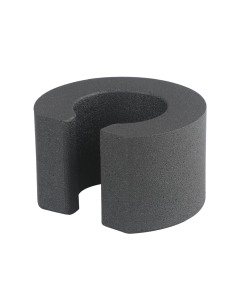
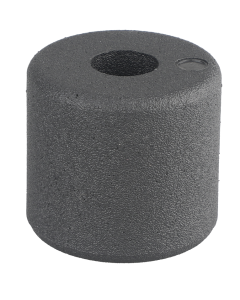
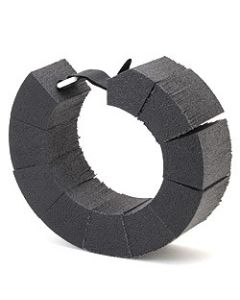
A float belt attaches to the port of a housing and provides adjustable lift. This prevents the rig from tipping forward when using long or heavy lenses in deeper dives.
Countering tilt with trim weights
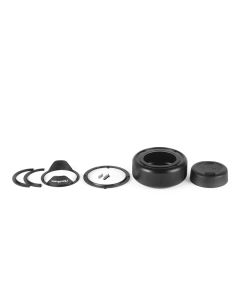
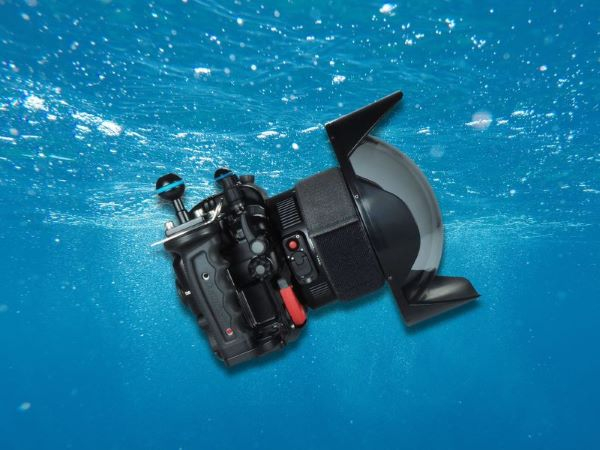
Some setups with large dome ports contain trapped air, which can cause the front of the housing to become positively buoyant. A trim weight can be used to counter this effect.
- Trim weights can be filled with soft lead
- They attach around the port of the housing
Measuring and adjusting buoyancy
Floats and belts come in different buoyancy values, usually expressed in grams. By weighing the rig underwater, divers can determine the exact lift required to balance the system.
This can be tested at home with a hand scale or completed in-store. See also the guides on adjusting buoyancy of your underwater camera, how to weigh a setup and underwater rigs that tilt.
- Floats add lift around arms of a rig
- Buoyancy belts balance heavy lens setups
- Trim weights counter upward dome tilt
- Buoyancy is measured in grams for accuracy
- Neutral balance prevents wrist strain
Common questions about floats, belts and buoyancy accessories
What is the difference between float arms and float blocks?
Float arms combine buoyancy and arm in one component. Float blocks are mounted onto existing arms to add lift without replacing the arm system.
When should I use floats instead of float arms?
Floats are useful when you already have an arm system and want to adjust buoyancy without replacing it. Float arms are more suitable for new or fully rebuilt setups.
What does a float belt do?
A float belt adds buoyancy around the port of a housing. This helps prevent front-heavy setups from tilting forward when using large lenses.
How do I know how much buoyancy I need?
This depends on the weight of your housing, strobes and lenses. The goal is a balanced setup that neither sinks nor floats excessively.
Can I combine floats with float arms?
Yes. Floats and belts can be used together with float arms to fine-tune buoyancy in more complex underwater camera systems.

 Nederlands

![Stix Jumbo Float belt [SX-FB12]](https://www.uwcamerastore.com/media/catalog/product/cache/95610db0475c72f3450e0eb46c731530/s/x/sxfb12.jpg)