
 Nederlands
Flash triggers & TTL converters
Flash triggers and TTL converters transfer the camera’s flash signal to external underwater strobes. Both optical and electrical systems are used to ensure precise light timing and exposure control underwater.
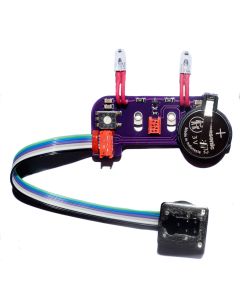
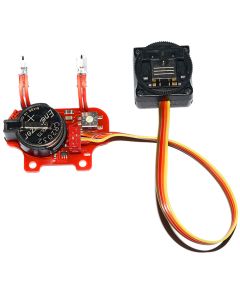
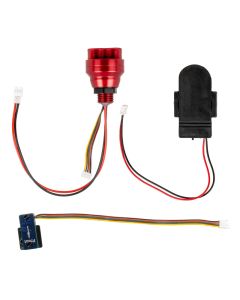
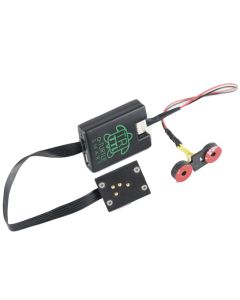
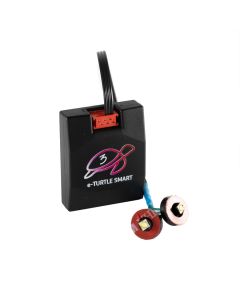 e-TURTLE 3 SMART TTL trigger for Canon MILC systems€469.00 €387.60Backorder. Ready for shipment in 1 to 2 weeks
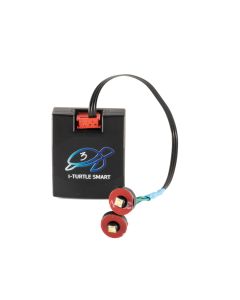 i-TURTLE 3 SMART TTL trigger for Nikon€449.00 €371.07Backorder. Ready for shipment in 1 to 2 weeks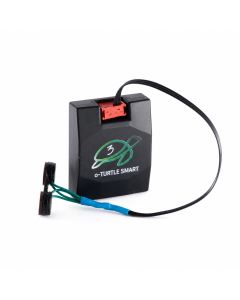


-
-
-
-
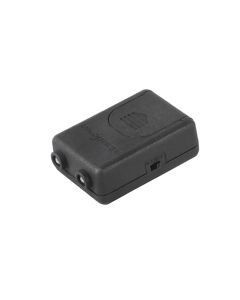
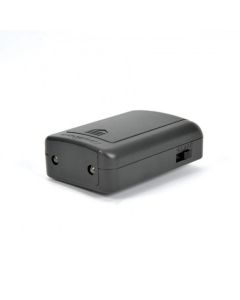
- UW Technics M16 IKELITE TTL-Converter for Sony a9III€729.00 €602.48Backorder. Ready for shipment in 2 to 4 weeks
-
-
-
-
-
-
-
-
-
-
-
-
-
-
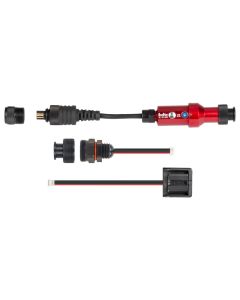



![Nauticam Mini Flash Trigger for NA-GH5 [26309]](https://www.uwcamerastore.com/media/catalog/product/cache/95610db0475c72f3450e0eb46c731530/2/6/26309.jpg)
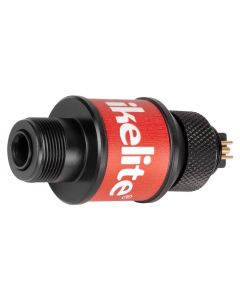
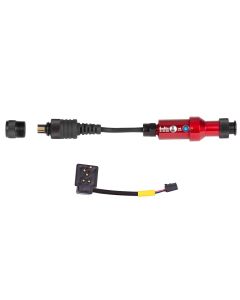
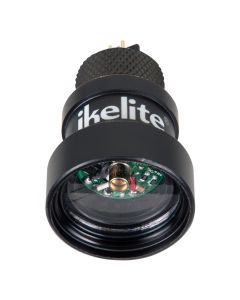
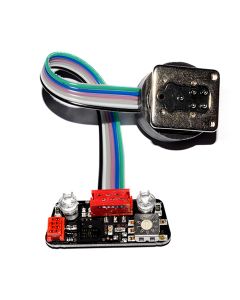
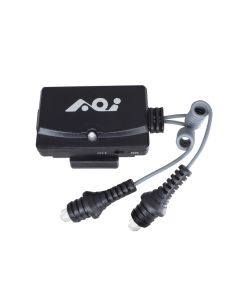
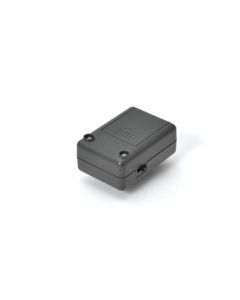
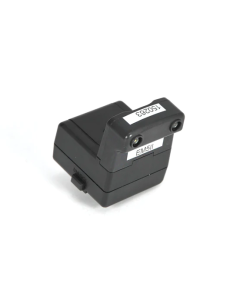
Flash triggers and TTL converters for underwater photography
Flash triggers and TTL converters link the camera’s hotshoe to external underwater strobes. They convert the flash signal into light or an electronic pulse so that the strobes fire in perfect synchrony with the camera, even when no internal flash is available.
Both optical and electrical systems can operate in manual or TTL mode. The trigger or converter reads the hotshoe signal and sends it to the strobes through either fibre-optic cables or an electronic connection, depending on the housing setup.
Optical versus electrical triggering underwater
Optical triggering uses an LED pulse that travels through a fibre-optic cable. Electrical triggering sends the signal via a bulkhead and sync cable. Optical systems are preferred by most divers because they are lighter, reliable, and eliminate the risk of leaks through electrical ports.
- Optical fibre cables: light, flexible and corrosion-free
- Electrical sync cables: heavier, risk of cable breakage and require watertight sealing
Manual and TTL communication explained
A manual flash trigger sends a simple light pulse that makes the external strobe fire at a fixed output. The photographer manually adjusts the flash power on the strobe to achieve the required exposure.. A TTL converter adds exposure control, transmitting data from the camera to adjust the flash duration automatically. Both systems exist in optical and electrical versions.
Optical TTL converters now support full exposure control through light pulses, including systems based on for example RC protocols or encoded optical signals. This allows precise automatic flash power adjustment without using electrical cables.
- Available in manual and TTL versions for both trigger types
- Optical systems reduce risk of leaks and cable damage
- Electrical systems may still be used in housings
- TTL converters add automatic exposure adjustment
- Manual triggers allow full user control
For a detailed explanation of how these systems function, see our blog article on underwater flash triggers and TTL converters.
Related categories
For additional components and compatible accessories, see these related categories:
- Optical cables – for reliable light-signal transmission between the camera and strobes.
- Electrical cables – suitable for housings that use a bulkhead connection.
- Underwater strobes – essential for restoring colour, contrast and accurate exposure.
- Strobe sets – complete lighting packages including strobes, tray, arms and cables.