 Nederlands


Trying to decide between Qysea and Chasing? In this comparison, we highlight the key differences between these two underwater drone brands. Want a broader overview of applications, system types and how to choose the right setup?
 English
Underwater drones, also known as ROVs (Remotely Operated Vehicles), make it possible to inspect, explore and document underwater environments without entering the water yourself. Equipped with cameras, lighting systems and advanced navigation technology, they are used in recreational, scientific and commercial applications. This blog category features articles about underwater drone technology, imaging systems, sonar, positioning systems and real-world applications.
We cover topics such as marine inspections, search and recovery operations, scientific research and underwater filming. You will also find practical information about equipment maintenance, transport, operational techniques and selecting the right drone for specific tasks.
For those interested in current technology and available systems, our range of underwater drones includes solutions for recreational, scientific and commercial applications.
Trying to decide between Qysea and Chasing? In this comparison, we highlight the key differences between these two underwater drone brands. Want a broader overview of applications, system types and how to choose the right setup?
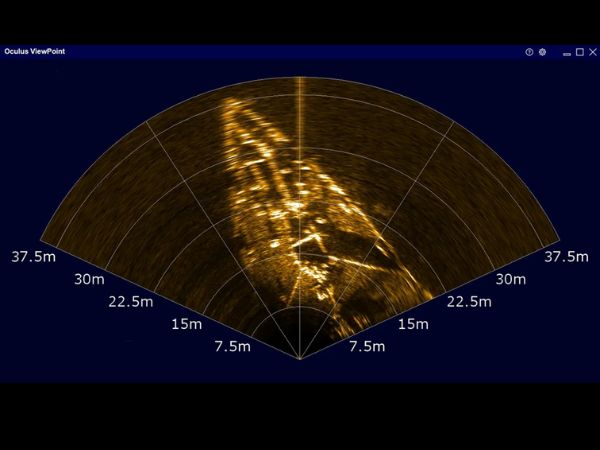
Sonar is becoming an essential tool in underwater drone and ROV operations. In environments where visibility is limited, it allows you to work accurately and reliably.
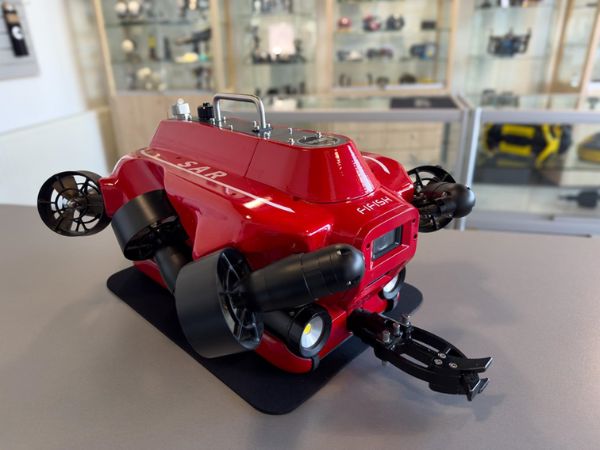
Underwater drones are playing an increasingly important role in search and rescue (SAR) operations. In situations where visibility is limited and time is critical, technologies like ROVs and sonar make it possible to work faster and more efficiently.
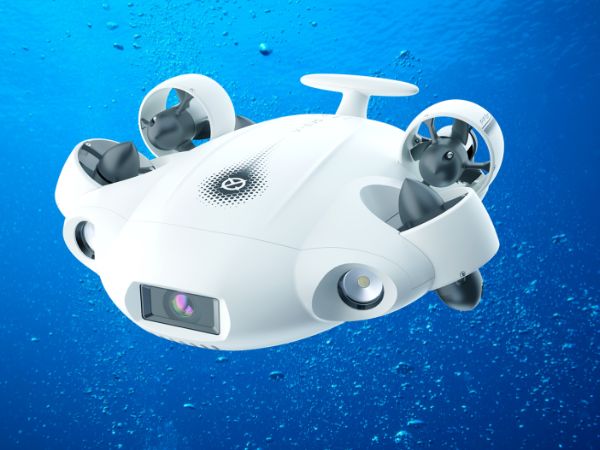
Underwater drones, also known as ROVs (Remotely Operated Vehicles), are transforming the way underwater work is performed. Instead of deploying divers immediately, many professionals now start with a drone to gain fast, safe and reliable insights below the surface.
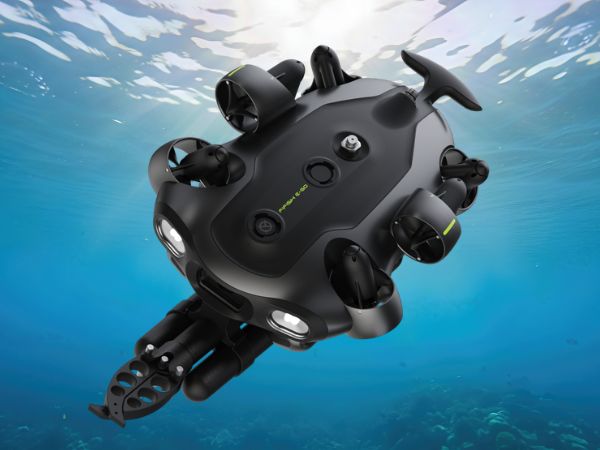
Underwater drones are often the logical first step before sending a diver into the water. If you are new to this technology, it helps to start with a general overview of underwater drones and ROV systems. Underwater inspection is evolving rapidly. Where commercial divers were once deployed immediately, maintenance companies, port authorities, and research organizations now increasingly start with an underwater drone (ROV). That makes sense: a professional underwater drone is faster to deploy, safer, more cost-efficient, and delivers immediate visual data that can be used right away.

Whether you need to inspect ship propellers or underwater cables, create maintenance plans, conduct research on marine life or archaeology... the possibilities with drones and ROVs are endless. Underwater drones offer an efficient, safe, and cost-saving way to work underwater for inspections, research, recovery, and ecological monitoring.