Buying an underwater housing is a serious investment. Whether you shoot with a compact camera, system camera, or action cam, choosing the right dealer is just as important as choosing the housing itself. A reliable dealer helps you build a complete, compatible setup and gives you the support you need before, during, and after your purchase.
Page 2 - Underwater Housings
An underwater housing is the foundation of almost every serious underwater photography and videography setup. It protects cameras from water, salt, sand and impacts while allowing photographers and filmmakers to work safely below the surface. Whether you are snorkelling in shallow water or diving at greater depths, a reliable housing provides an additional layer of protection for valuable equipment.
In this blog category you will find articles about underwater housings for compact cameras, mirrorless systems, DSLR cameras and professional video systems. Topics include camera compatibility, port systems, O-ring maintenance, leak prevention and accessories such as trays, handles, arms and lighting systems. We also share practical advice on travelling with underwater equipment, maintaining housings and selecting the right setup for your photography or videography needs.
Looking for an underwater housing for your camera? Our collection of underwater housings includes options for compact cameras, mirrorless systems and professional video equipment.

- Posted: March 02, 2026Categories: Underwater HousingsRead more »
- Posted: April 16, 2025Categories: Underwater HousingsRead more »
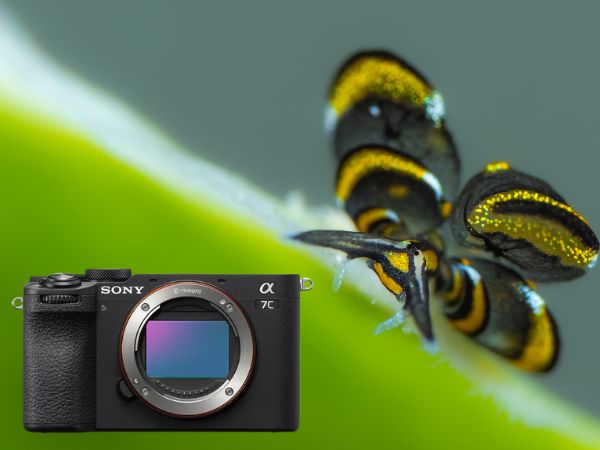
If you’ve been on the hunt for a travel-friendly, full-frame mirrorless camera that doesn’t skimp on features, especially for underwater shooting, the Sony A7C II should definitely be on your radar. It’s the kind of camera that makes you do a double take. Wait, that compact body houses what kind of tech?
Let’s dive into what makes the Sony A7C II such an intriguing choice for divers, snorkelers, and underwater image makers alike.
- Posted: February 12, 2025Categories: Underwater HousingsRead more »
When it comes to underwater photography, protecting your camera is crucial. Isotta, an Italian brand renowned for its precision engineering and distinctive red aluminum housings, has established itself as a top choice for underwater photographers. With decades of experience in high-quality metal machining since 1980, Isotta combines durability, aesthetics, and functionality to offer superior protection for your valuable camera equipment.
- Posted: January 06, 2025Categories: Underwater HousingsRead more »
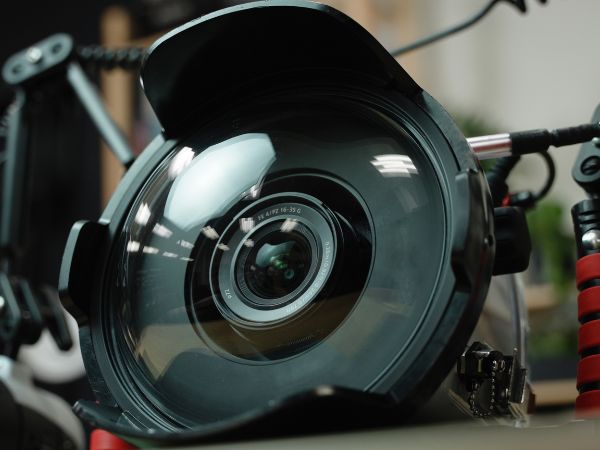
When choosing the right dome port for your camera and lenses, there are many factors to consider. Is a glass dome better than an acrylic dome? What size dome is best for a specific lens? In this blog, we’ll answer these questions and explain how to use port charts to make an informed decision.
- Posted: December 17, 2024Categories: Underwater HousingsRead more »
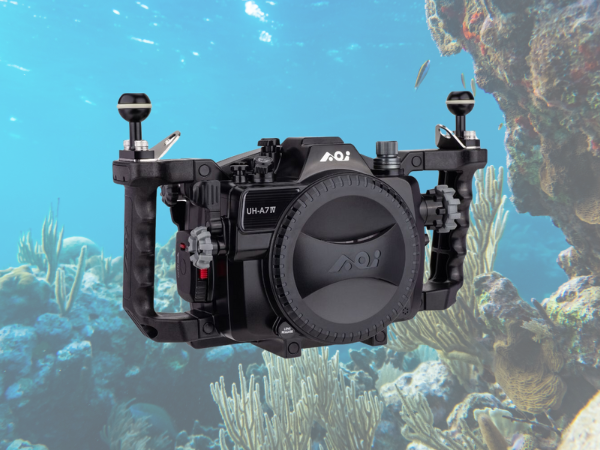
If you're a photographer or videographer who loves underwater photography, you probably know how expensive the right gear can get. From high-performance cameras to specialized underwater housings, the costs can quickly spiral out of control, often making enthusiasts settle for less-than-ideal setups. That's where AOI comes in, offering an affordable yet high-performance solution with their new AOI UH-A7IV Underwater Housing designed specifically for the Sony A7IV.
- Posted: December 12, 2024Categories: Underwater HousingsRead more »
Planning to take your camera underwater? You’re about to face an exciting (but sometimes overwhelming) choice: which underwater housing should you go for? Two of the biggest names in the industry are Nauticam and Ikelite. Both brands have excellent reputations, but they differ in several key areas. In this blog, we’ll break down the strengths and weaknesses of each brand to help you make the right choice.
Nauticam and Ikelite are two of the most widely used underwater housing manufacturers. For a broader overview of different housing brands and their design approaches, see our article about underwater housing brands.
So, are you ready to find the perfect housing for your underwater adventures? Let’s dive in!
If you have not yet checked whether an underwater housing is available for your camera model, see our guide on how to choose the right underwater housing. This article explains how to determine compatibility between cameras, housings, ports and lenses.
- Posted: November 28, 2024Categories: Underwater HousingsRead more »
Have you ever taken underwater photos with a dome port and noticed something strange? The center of your image is crystal clear, but the edges look soft and blurry. What causes this? More importantly, how can you fix it? Don’t worry, we’ll keep things simple and informative. This guide will help you take your underwater photography to the next level.
- Posted: November 15, 2024Categories: Underwater HousingsRead more »
Ikelite underwater housings offer the perfect balance of durability, versatility, and affordability. Designed for divers and photographers, they perform reliably at depths of up to 60 meters. From wide-angle shots to macro close-ups, Ikelite delivers high-quality results. There are housings available for Sony, Nikon, Canon, Olympus / OM System, Fujifilm and Panasonic cameras.
If you are still deciding which underwater housing system is suitable for your camera, see our guide on how to choose the right underwater housing.
- Posted: September 26, 2024Categories: Underwater HousingsRead more »
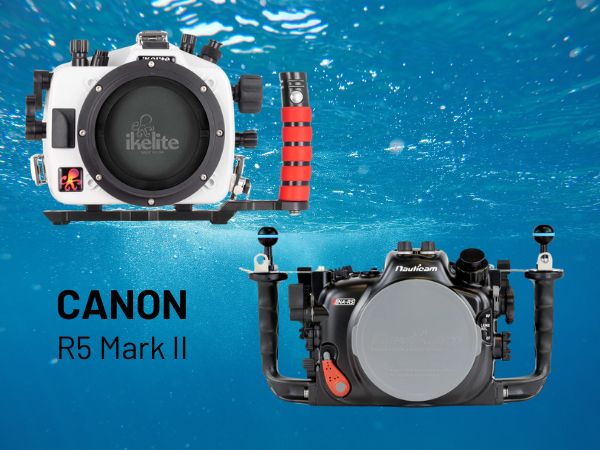
Many new underwater housings have recently been released! Renowned brands such as Nauticam and Ikelite have developed underwater housings for the Canon EOS R5 II camera, for example. The Ikelite waterproof housing has a maximum depth of 60 meters, while the Nauticam underwater housing can even go as deep as 100 meters.
- Posted: September 03, 2024Categories: Underwater HousingsRead more »
We are so excited to introduce one of the most time-saving and efficient products for underwater photographers: the new Ikelite USB Charging & Data Transfer Bulkhead for Underwater Housings. Imagine this: You're heading out on a dive trip, you put your camera into its housing at the start and you don’t need to remove it again until you're packing up to head home.