 Nederlands


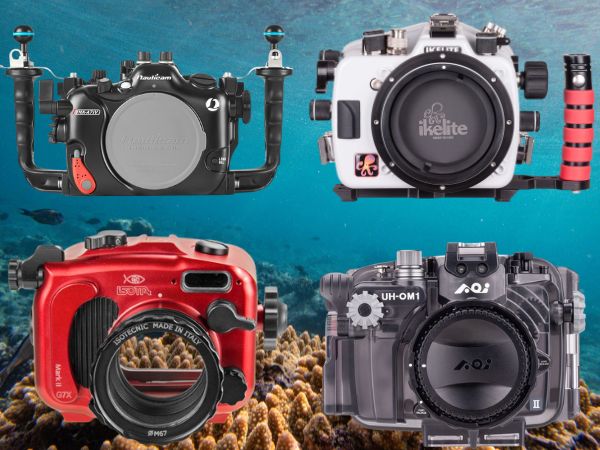
Several manufacturers produce underwater housings for popular camera models. Depending on the camera you use, there may be one housing available or several options from different manufacturers. Each brand develops its own housing design, materials and control layout for underwater photography and video.
If you have not yet checked whether an underwater housing is available for your camera model, or whether several manufacturers produce housings for it, see our guide on how to choose the right underwater housing. This guide explains how to determine compatibility and how housings, ports and lenses work together in underwater photography and video.
Once you know which housings are available for your camera, you can compare different manufacturers. Housing brands often differ in materials, ergonomics, port systems and the accessories that can be used with the housing.
Why different underwater housing brands exist
Underwater housings are designed for specific camera models. Camera manufacturers release new cameras regularly, which means housing manufacturers must decide which models they will support. Some companies focus on mirrorless and DSLR cameras, while others also produce housings for compact cameras, smartphones, action cameras or cinema cameras.
Manufacturers also take different design approaches. Some brands focus on aluminium housings designed for demanding underwater photography and video production, while others produce lighter polycarbonate housings for travel or recreational diving.
Major underwater housing manufacturers
Several companies specialise in underwater housings for cameras. Each manufacturer develops housings with its own control layout, port system and accessory system. Well known underwater housing brands include Nauticam, Ikelite, Isotta, AOI and Gates. Some manufacturers focus on compact systems, while others specialise in advanced mirrorless or cinema camera housings used in professional underwater video production. Gates housings, for example, are designed for high-end cinema cameras and are commonly used in professional film and broadcast productions. Unlike many other brands, Gates focuses specifically on professional video workflows and custom solutions for demanding environments. You can read more about Gates underwater housings for professional cinema cameras.
Housing design can also differ between manufacturers. Some brands design housings that are ergonomically shaped specifically for a particular camera model, with controls positioned to match the layout of the camera body. These housings are often machined from aluminium and allow precisely positioned buttons, dials and levers. Other manufacturers use a more standardised housing shape and place mechanical controls in the correct positions for each camera model. Ikelite housings are a well known example of this approach. These housings are often made from polycarbonate and use a consistent housing structure with camera-specific controls integrated into the design.
Nauticam underwater housings are designed with a strong focus on ergonomics, with controls positioned so that photographers can operate the camera comfortably underwater, even while wearing gloves. More details can be found in our article about Nauticam underwater housings.
How to compare underwater housing brands
When choosing between housing manufacturers, several technical factors can influence the decision. The material of the housing, the ergonomics of the controls and the available port system can affect how the housing performs underwater.
Another important difference between housing brands is how extensive their lens compatibility is. Some manufacturers provide a wide range of ports, extension rings and gears, allowing many different lenses to be used underwater. Others offer a more limited system with fewer port combinations. These options are usually documented in the manufacturer's port charts.
When comparing underwater housing brands, the following aspects are commonly considered:
- housing material such as aluminium or polycarbonate
- depth rating for diving environments
- ergonomics of buttons and control wheels
- available port systems and lens compatibility
- compatibility with accessories and lighting systems
Popular underwater housing brands explained
The following articles explain several commonly used underwater housing manufacturers and compare their design approaches, materials and housing systems. These guides provide more detailed information about specific brands and how they differ.
- Why Choose Isotta Underwater Housings
- Ikelite Underwater Housings: Durable and Affordable
- 5 Reasons why you should choose Nauticam
- Nauticam vs Ikelite: Which Underwater Housing is Best
Choosing between different housing brands
For many camera models, more than one underwater housing manufacturer offers a compatible housing. The available options depend on the popularity of the camera model and the systems supported by the housing manufacturers.
When comparing housings from different brands, photographers and videographers often consider the material of the housing, the ergonomics of the controls and the port system used for different lenses. These aspects can influence how a housing performs in underwater photography or video recording.
The choice between brands therefore depends on the camera system you use, the lenses you plan to use underwater and the accessories required for your underwater setup. If you want to see which housings are available for your camera, you can browse the underwater housings in our webshop.