 Nederlands



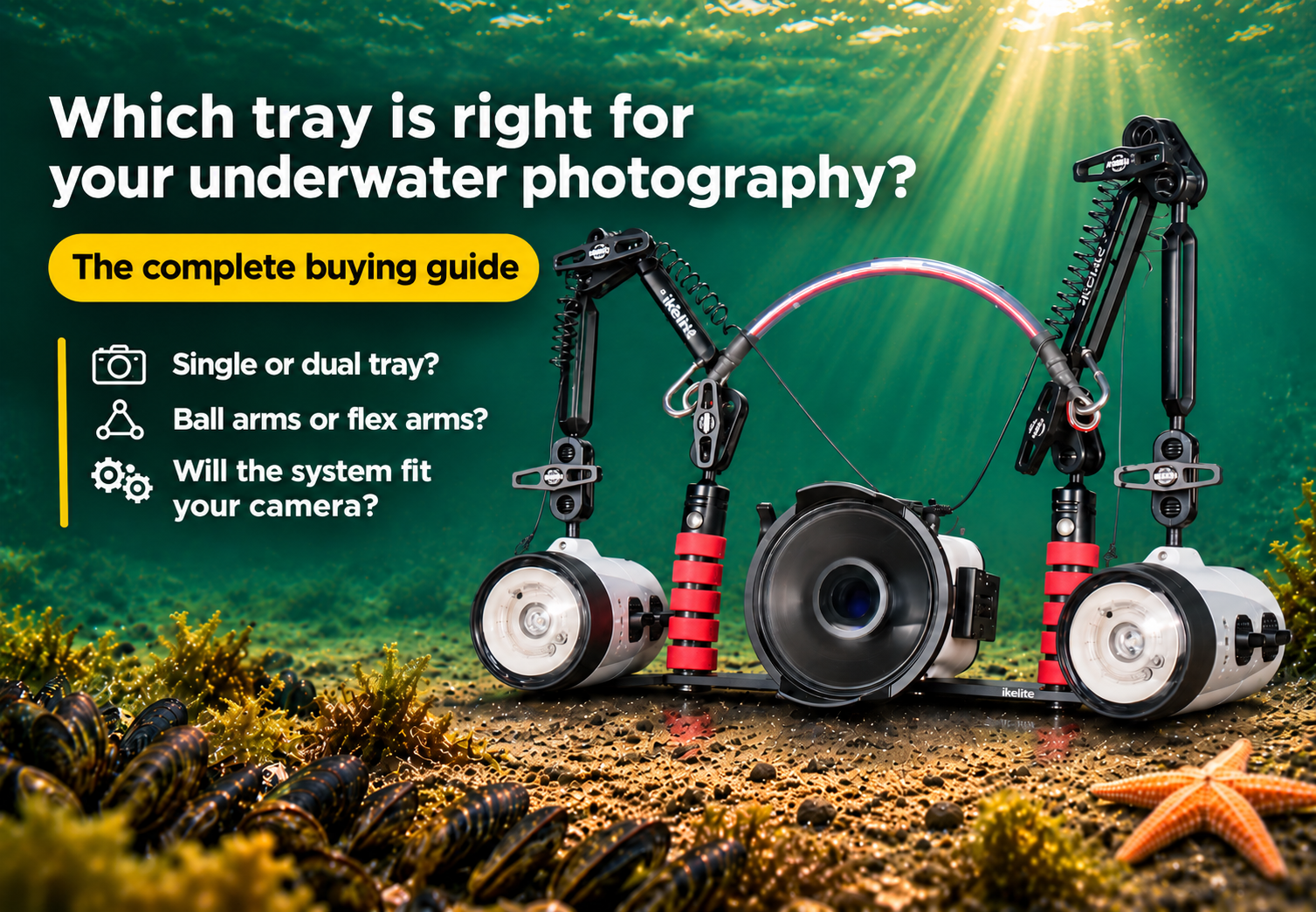
A good tray may not be the first thing you think about when putting together an underwater camera system. However, it plays an important role. A tray provides a stable grip, offers additional mounting options and forms the foundation for attaching video lights, strobes and other accessories.
But which tray do you actually need? Should you choose a single or dual-handle tray? What is the difference between ball arms and flex arms? And which system is best suited to your camera?
Several manufacturers offer underwater camera trays, including WeeFine, AOI, SeaLife, Backscatter, Ikelite and DIVEVOLK. Each brand has its own system, advantages and applications.
In this blog, we'll explain what to look for and compare the different systems. This will help you make an informed decision when choosing the right tray for your underwater camera.
Why Use an Underwater Camera Tray?
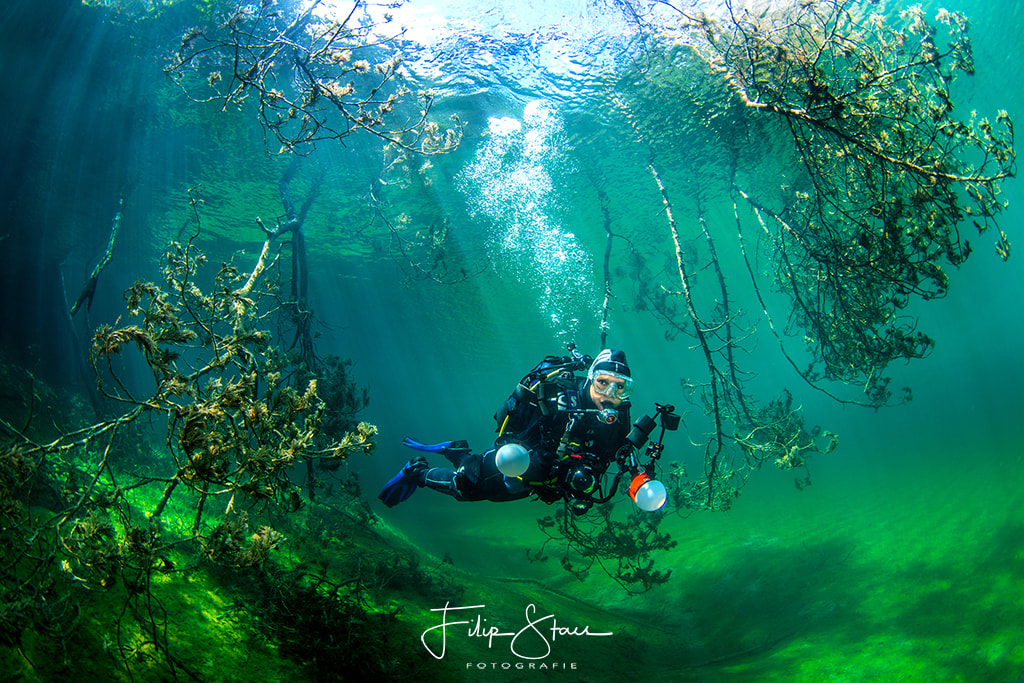
A tray is the foundation on which you mount your underwater housing. It provides a comfortable grip and additional mounting points for accessories.
A tray is particularly useful when working with external lighting. For example, you can attach video lights or underwater strobes to arms and easily adjust their position while diving.
An underwater camera tray offers several advantages:
- Improved stability: A tray allows you to hold your camera more securely, helping you take steadier photos and record smoother video.
- Better control: With one or two handles, you can position and operate your camera more comfortably.
- Expansion options: You can upgrade your setup later, for example by adding a second light or using a different lens.
A tray is therefore much more than just a handle for your camera. It is the foundation on which you can build your complete underwater camera setup.
Single or Dual Handle Tray?
One of the first decisions you'll need to make is whether to choose a tray with one or two handles. Both configurations have their advantages. The best option mainly depends on the size of your camera system, the accessories you use and your preferred style of underwater photography or videography.
Single Tray: Compact and Simple
A single-handle tray is a good choice if you have, or want to build, a relatively compact and lightweight camera setup.
Its main advantage is that it adds very little extra weight or bulk to your equipment. You get a sturdy handle to hold your camera, while the opposite side can be used to mount a video light or strobe.
A single tray is particularly suitable if you:
- Use one video light or strobe.
- Prefer a compact and lightweight setup.
- Want to keep the amount of equipment you carry to a minimum.
- Mainly take photos or record video recreationally.
Keep in mind that a larger light or strobe mounted on one side can make your setup feel unbalanced. If you're using heavier equipment, a dual tray may be more comfortable.
Dual Tray: More Stability and Expansion Options
A dual-handle tray provides more grip and control. Holding your camera with both hands makes it easier to position and stabilize. This is particularly useful when filming, but a dual grip can also help you keep your camera steady when taking photos.
You can also mount accessories on both sides of the tray. For example, two video lights can provide more even illumination, while two strobes offer greater flexibility for underwater photography.
A dual tray is particularly suitable if you:
- Want to use two video lights or strobes.
- Have a larger or heavier camera setup.
- Want more stability and control when filming.
- Plan to expand your camera system in the future.
Naturally, a dual tray takes up more space and adds extra equipment to your setup. If you're using a compact camera with just one small light, a single tray will often be more than sufficient.
Our tip: Don't automatically choose the largest tray available. Instead, consider which accessories you actually use. A simple, well-balanced setup is often more comfortable than an unnecessarily large configuration.
Ball Arms or Flex Arms: How Should You Mount Your Lighting?
When putting together an underwater camera tray, you'll quickly come across different types of arms. The two most commonly used systems are ball arms and flex arms.
Both systems serve the same purpose: positioning your video light or strobe next to your camera. However, the way they work is quite different.
Flex Arms
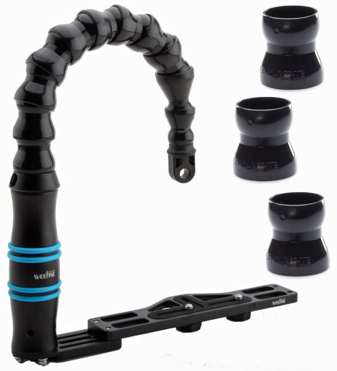
Flex arms consist of multiple interconnected segments that can be bent in almost any direction. You can adjust them by hand without needing separate clamps to lock them into position.
They're relatively easy to use and are often an affordable solution for compact camera systems. If you're working with one or two small video lights, flex arms can be an excellent choice.
One disadvantage is that they're less suitable for larger and heavier video lights or strobes. They also offer less precise positioning and fewer expansion possibilities than a traditional ball-arm system.
Ball Arms
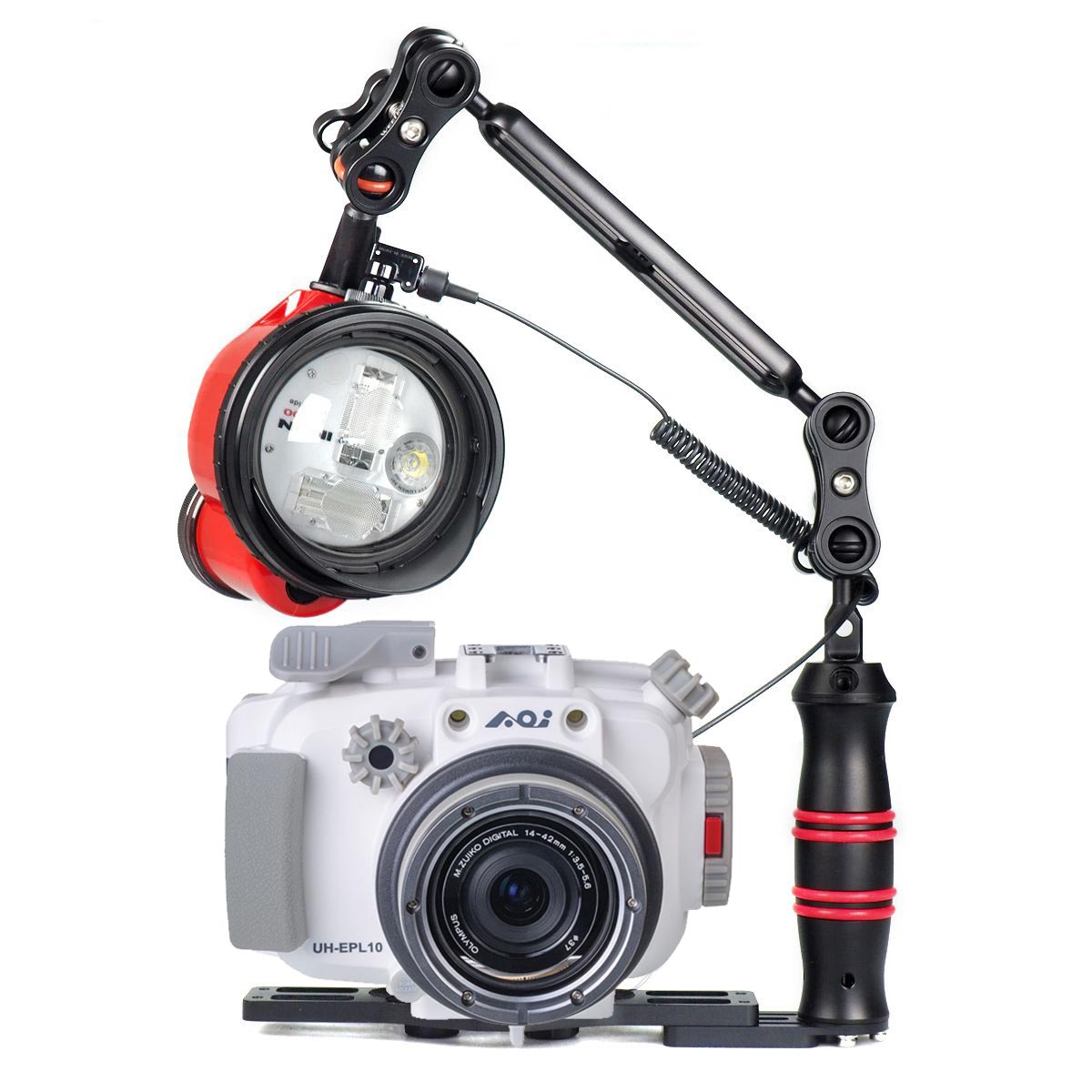
Ball arms consist of aluminium arms with ball joints. Clamps are used to connect the different components, allowing you to position your lights or strobes precisely.
Their main advantage is versatility. You can adjust the length of the arms, combine multiple sections and position your lighting in almost any configuration you want.
Ball arms are also suitable for heavier accessories and offer plenty of opportunities to expand your system in the future. Think of buoyancy floats, wet lens holders or additional mounting points.
Which should you choose? If you're using a compact camera with one or two small video lights, flex arms are often a practical solution. If you want greater freedom when positioning your lighting or use larger strobes and video lights, a ball-arm system is generally the better choice.
Want to learn more about the differences, advantages and possibilities of both systems? Take a look at our dedicated blog about choosing the right arms for your underwater camera.
Which Tray Is Best for Your Camera Setup?
Several manufacturers offer underwater camera trays. Some systems are simple and compact, while others are designed to be fully customized to your preferences.
Below, we'll take a closer look at the main systems and what makes each one unique.
1. WeeFine: Versatile Trays for Different Camera Setups
WeeFine is one of the most versatile brands when it comes to underwater camera trays. Its range includes adjustable single- and dual-handle trays, with either integrated flex arms or 1-inch ball mounts.
One of the main advantages of WeeFine trays is their adjustable width. This allows you to adapt the tray to your underwater housing, making them suitable for different camera sizes. You can also position the handles at a comfortable distance from each other.
WeeFine Single Tray
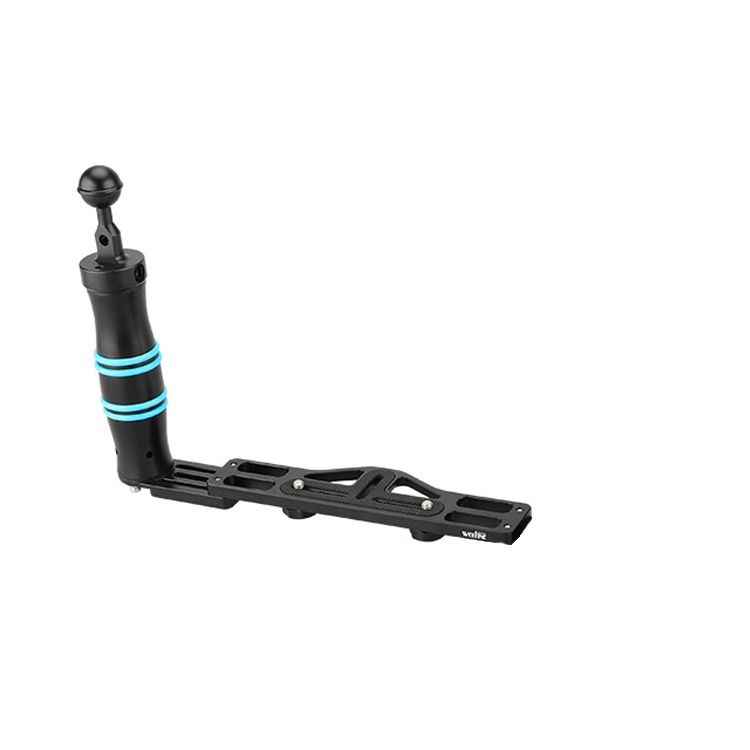
The single tray features one handle and is designed for compact camera systems where you want to use a single light or strobe. Depending on the version, it comes with either a 1-inch ball mount or an integrated flex arm with a YS connector.
Another advantage is that you can expand this configuration later by adding a second handle.
WeeFine Dual Tray
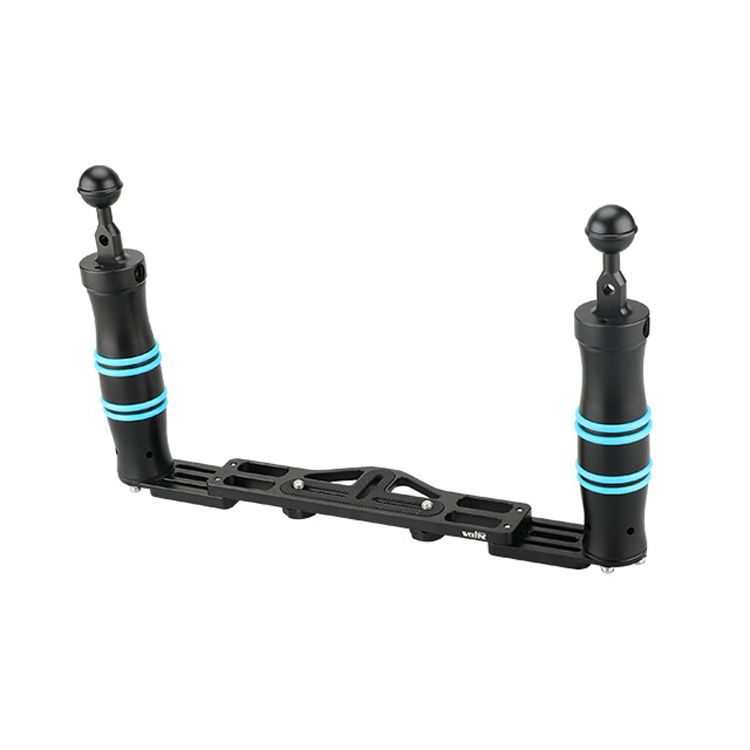
Prefer working with two handles? The adjustable dual tray is an interesting option. It provides a more secure grip and allows you to mount lighting on both sides.
There are versions with integrated flex arms as well as versions featuring 1-inch ball mounts. The latter are particularly interesting if you prefer using a traditional ball-arm system.
WeeFine Top Handle
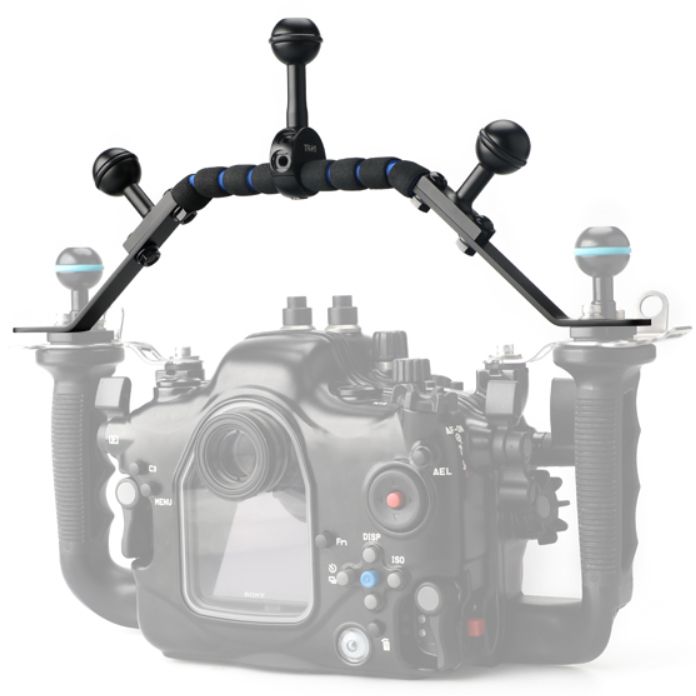
The ball-mount version can also be expanded with a WeeFine top handle. This adds an extra handle and additional mounting options above the tray.
This can be particularly useful if you want to mount a monitor or other accessories on top of your camera system.
WeeFine trays are particularly interesting if you're looking for a versatile aluminium platform that can be adjusted to the size of your camera and the lighting equipment you use.
Explore the WeeFine trays and handles.
2. AOI Modular Tray System (MDS): Build Your Own Configuration
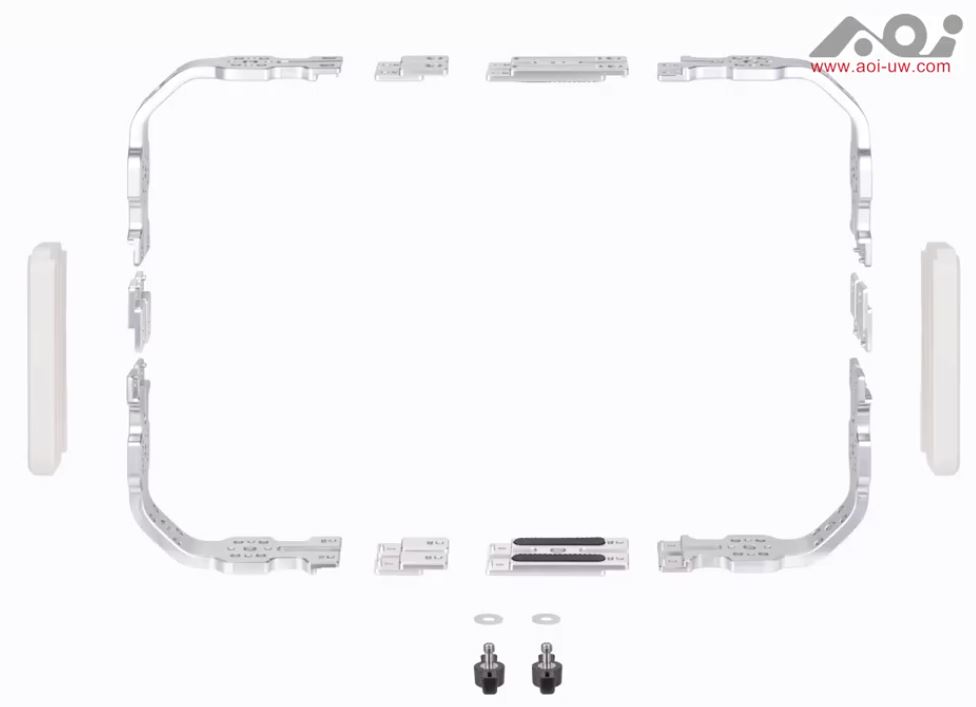
The AOI Modular Tray System (MDS) works a little differently from a traditional camera tray. Instead of using a ready-made frame, the system consists of separate components that allow you to build a frame around your underwater housing.
This gives you the flexibility to adjust the dimensions and configuration to suit your camera system.
The Foundation: Four L-Brackets
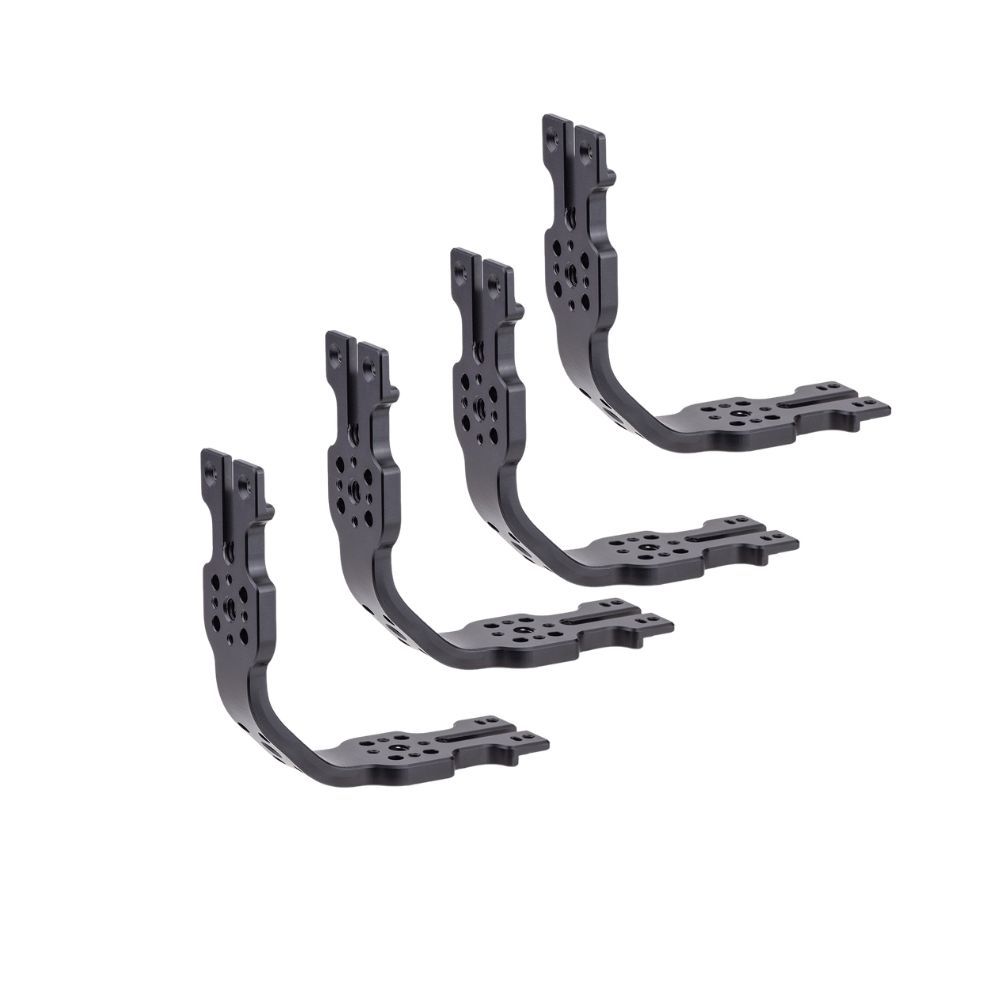
The foundation of the system consists of four L-shaped frame components, known as L-brackets. Together, these form the main frame around your underwater housing.
You can then attach the handles and various accessories to these frame components. The corresponding handles are supplied as a pair and provide a comfortable grip on both sides of the frame.
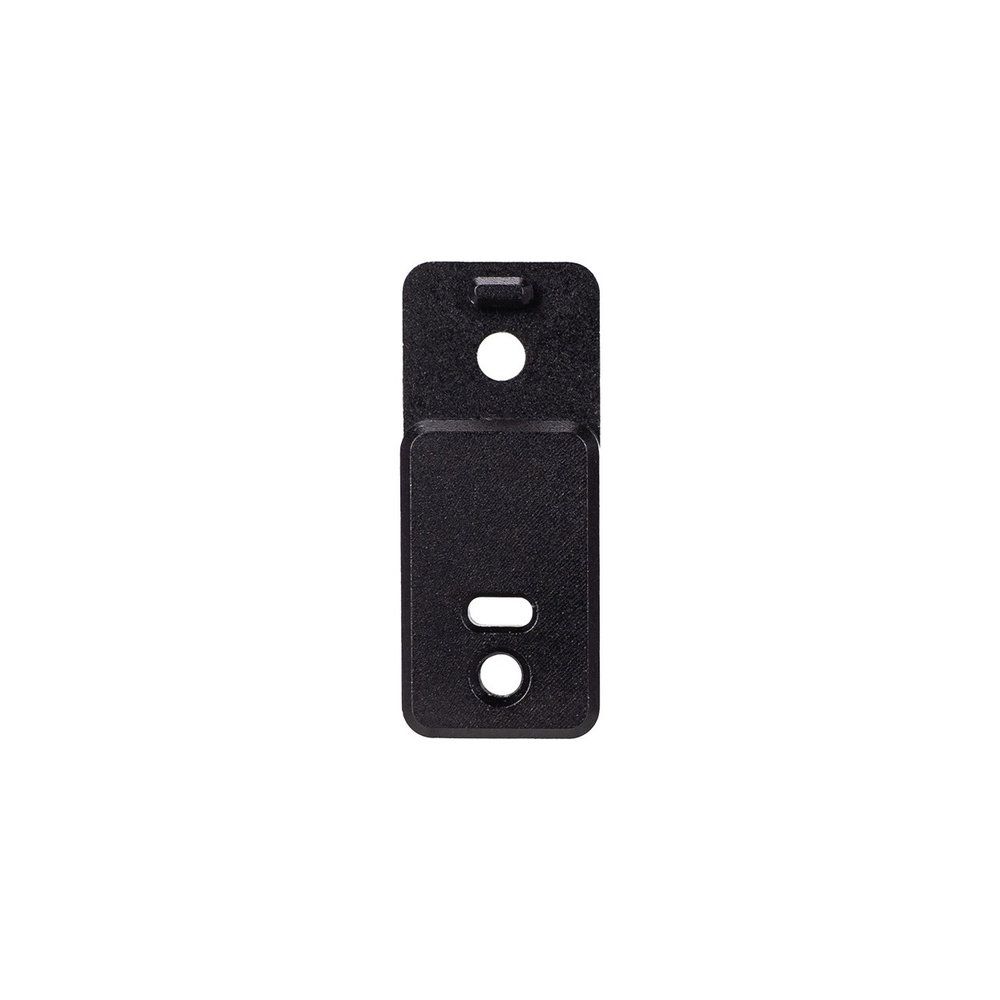
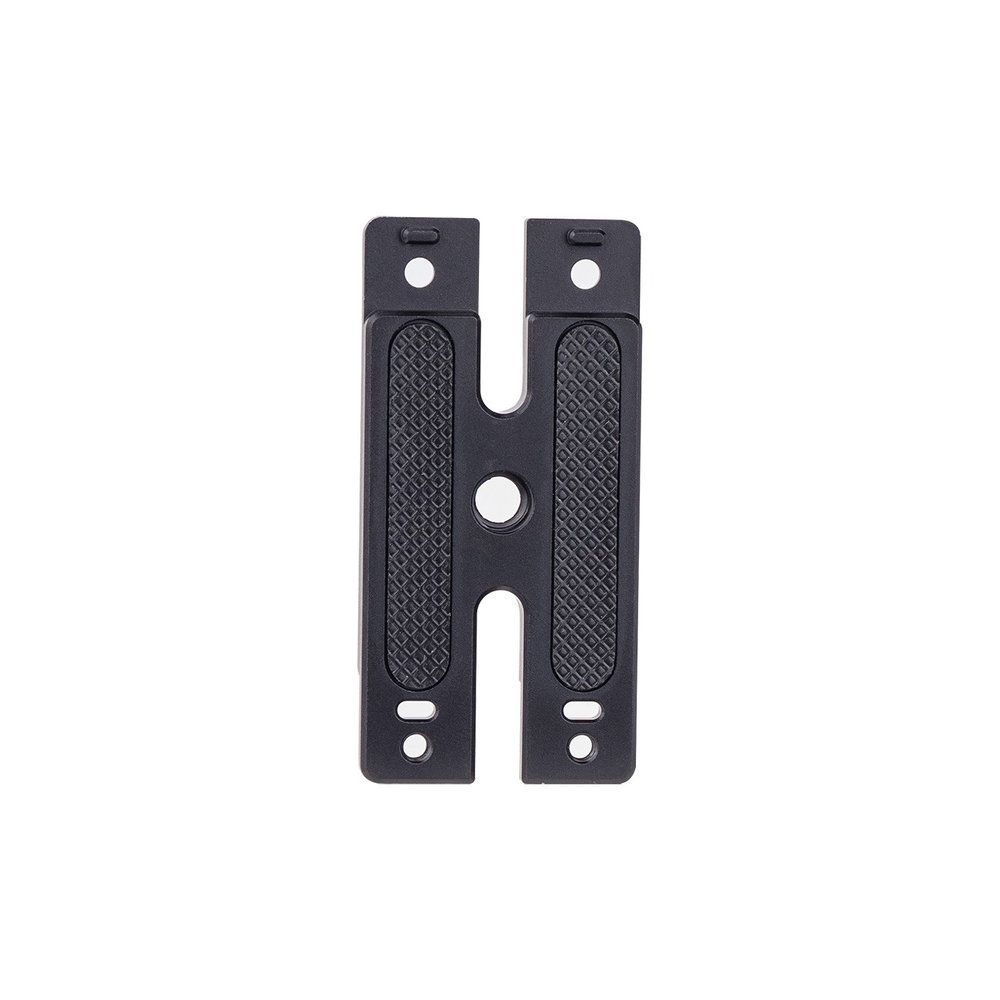
Adjusting the Width and Height with Extension Pieces
One of the main advantages of the MDS system is that you can easily adjust the frame to fit the dimensions of your underwater housing.
The 5 cm extension pieces (EP5) make the frame wider. The 2 cm extension pieces (EP2) provide additional space in both width and height. This allows you to adapt the system to larger AOI underwater housings, for example.
Additional Expansion Options
Several accessories are also available, including ball mounts for attaching arms and lighting, as well as a GoPro-style mount for an action camera or other accessories.
For specific larger housings, such as the AOI housings for the OM System OM-1 Mark II and Sony A7C II, dedicated stability brackets (STB-01 and STB-02) are also available. These provide additional support and create a more secure mounting solution within the frame.
The AOI MDS system is particularly interesting if you want to build a tray entirely to your own specifications. You can start with a basic configuration and expand the frame later by adding extra components.
Keep in mind that you'll need to select the correct frame components, extension pieces and, where necessary, stability brackets for your specific underwater housing.
3. SeaLife Flex-Connect: Easily Switch Accessories with a Convenient Click System
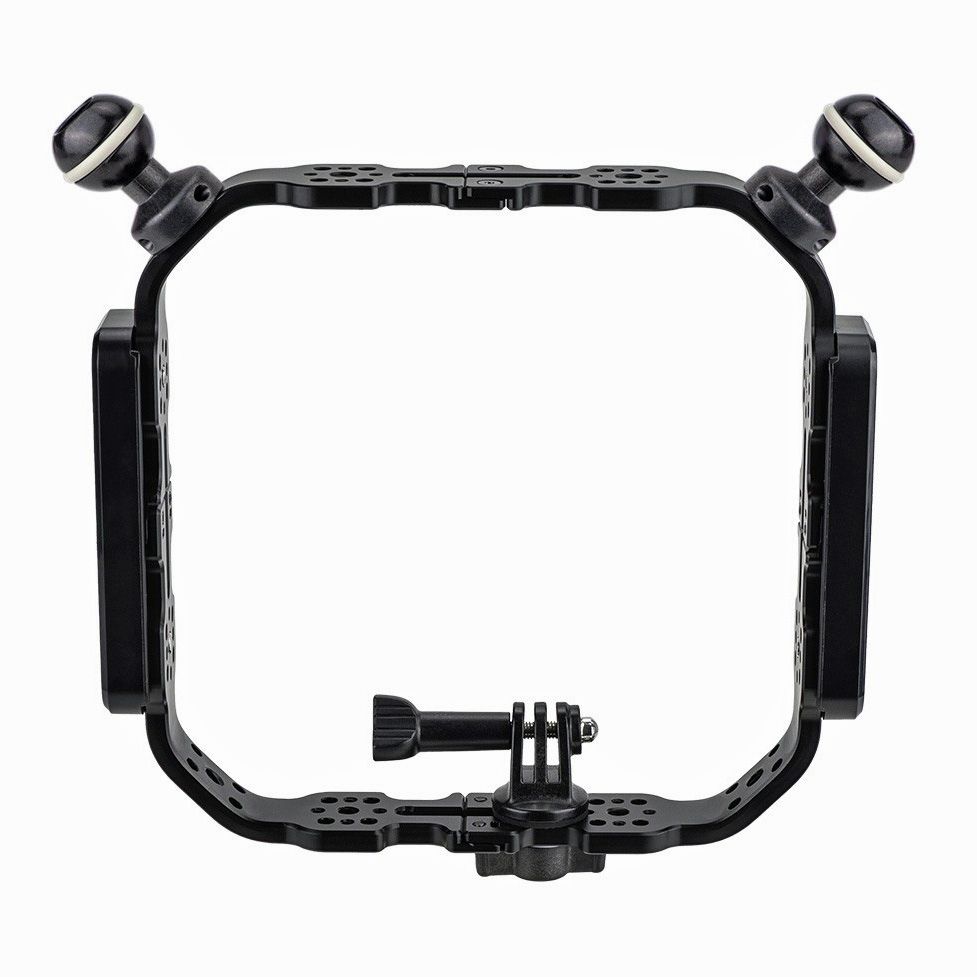
The SeaLife Flex-Connect system uses its own quick-release connection system. Instead of attaching accessories with screws and clamps, you simply click different components onto the tray.
This makes the system particularly user-friendly. Want to add or remove a handle, video light or flex arm? You can do so without having to loosen or tighten multiple components.
Single Tray
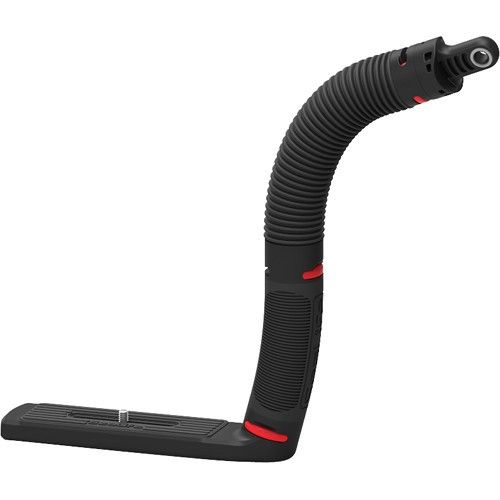
The single tray provides a compact foundation for a compact camera or SeaLife SportDiver smartphone housing. You can mount a light directly onto the tray or expand the setup with a Flex-Connect handle and flex arm.
It's a practical solution if you're using one video light and want to keep your setup simple.
Dual Tray
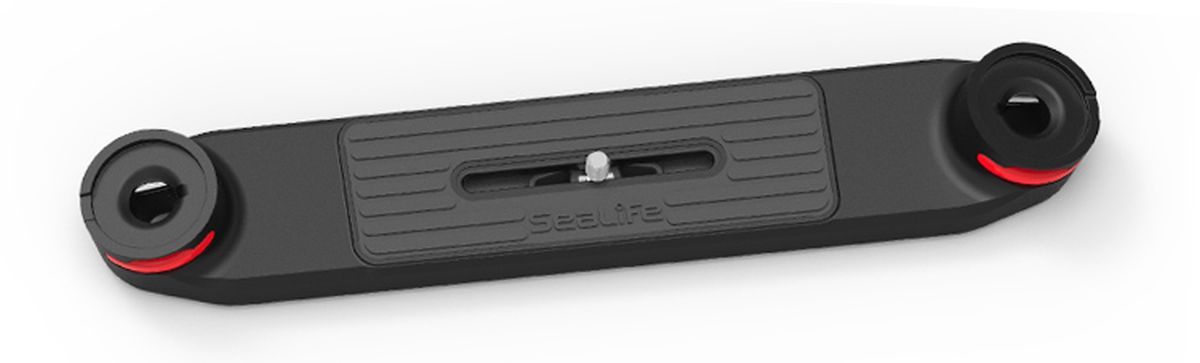
Want to use two lights? The Flex-Connect Dual Tray features two handles and provides mounting options for lighting on both sides.
The two handles give you more control over your camera and allow you to distribute your lighting more evenly.
However, make sure to check compatibility. This version is suitable for various compact cameras, but the SportDiver Ultra does not fit between the handles.
Micro Tray for Action Cameras
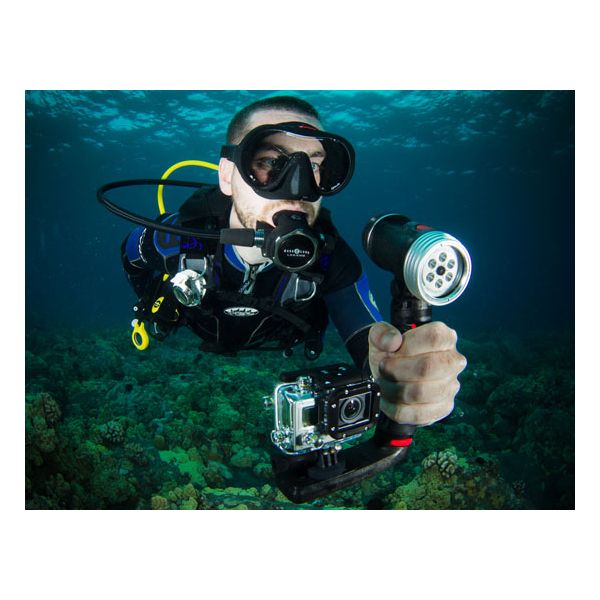
The Micro Tray is an extra-compact version designed specifically for SeaLife Micro cameras.
Other action cameras can also be mounted, provided their dimensions and mounting connections are compatible.
Flex-Connect Ultra Dual Tray for SportDiver
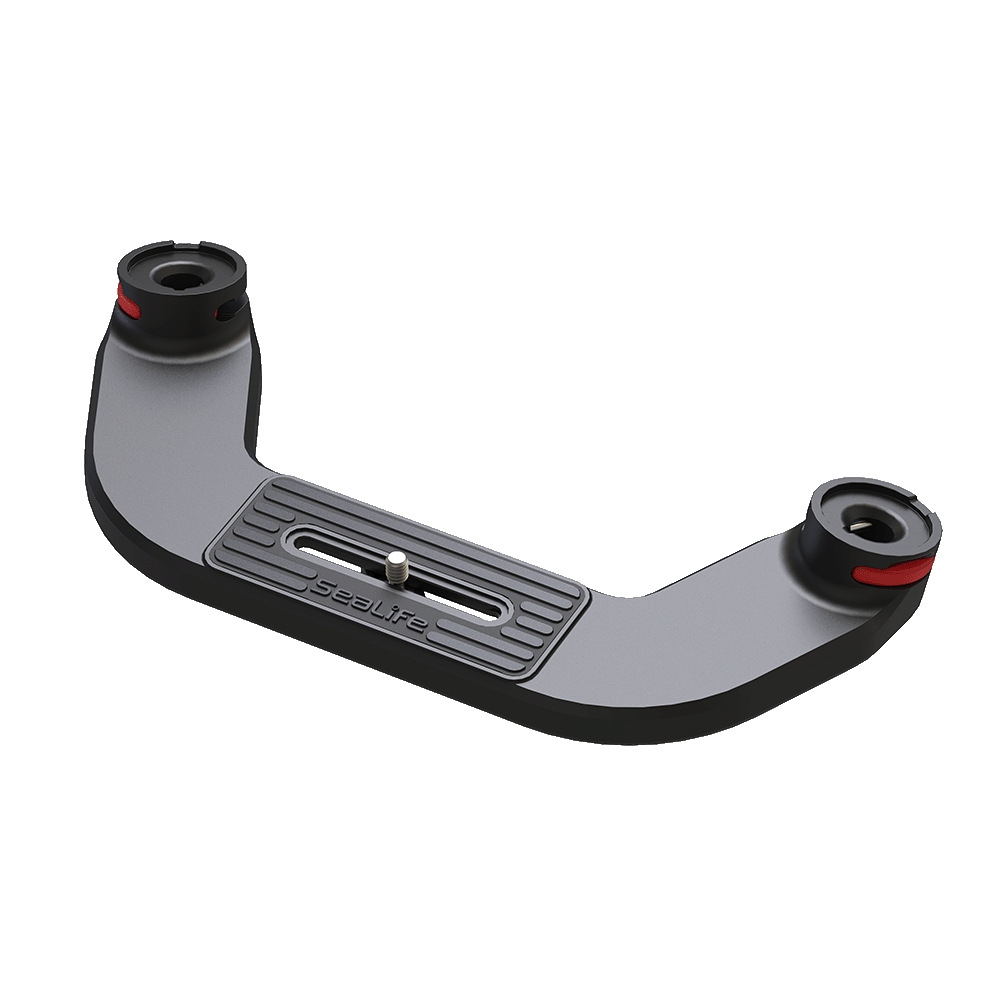
For wider housings, SeaLife offers the Ultra Dual Tray. This curved tray provides space for two handles and is suitable for housings such as the SeaLife SportDiver Ultra.
The Flex-Connect system is particularly interesting if you're looking for a user-friendly solution and regularly want to change accessories. However, keep in mind that you're tied to the specific Flex-Connect connections. You can't simply attach any standard light or arm directly to the click system.
Explore the SeaLife Flex-Connect trays and accessories.
4. Backscatter Wide Dual Tray: A Solid Foundation with Plenty of Options
The Backscatter Wide Dual Tray is a popular choice for action cameras, GoPro cameras and compact underwater housings, such as those from the OM System Tough series.
It's a sturdy aluminium tray with two handles. Its wide design provides a stable grip and leaves plenty of room on both sides for mounting accessories.
Depending on the version, the tray is supplied with a GoPro mount or can be used with other compatible underwater housings using the included mounting screws.
What Can You Mount on It?
The Backscatter tray can be expanded in several ways. Options include:
- Flex arms for video lights.
- Ball mounts for a traditional ball-arm system.
- Additional mounting points for accessories.
- An optional Arch top handle.
The Backscatter Arch Top Handle
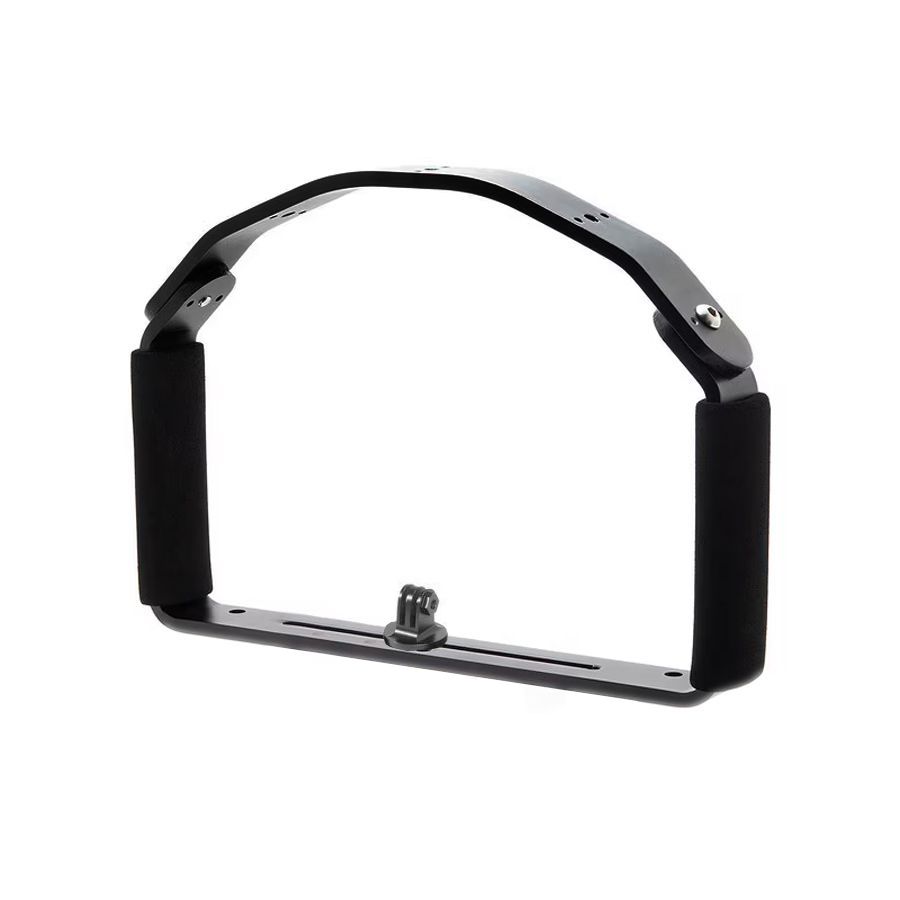
One of the most interesting accessories is the Backscatter Arch. This is a curved aluminium bracket that mounts on top of the tray.
The Arch features three additional mounting points. This allows you to attach extra video lights or strobes, but also accessories such as a wet lens holder.
The latter is particularly practical. When using a wet lens during a dive, you can park it on the top handle whenever you don't need it. This means you don't have to hold the lens in your hand, while keeping it easily accessible.
The Backscatter Wide Dual Tray is therefore an interesting choice if you're looking for a compact but highly expandable configuration. It's particularly versatile for GoPro users and photographers using compact cameras.
Explore the Backscatter trays and accessories.
5. Ikelite: Trays for Compact Cameras and Larger Housings
Ikelite also offers a range of camera trays and handles. It's important to distinguish between solutions for compact camera housings, DLM Mirrorless housings and the larger DL housings.
For Compact Cameras and DLM Mirrorless Housings
For compact cameras and DLM Mirrorless housings, one available option is the Ikelite Digital Tray with Dual Handles (#9523.64).
Ikelite Digital Tray with Dual Handles #9523.64
This tray provides a stable platform for mounting your Ikelite underwater housing and expanding your setup with underwater lighting. The two handles offer additional grip and mounting options for accessories such as strobes and video lights.
Please note that this tray is not compatible with Ikelite DL housings.
For 200DL Housings
For larger Ikelite DL housings, specific tray and handle solutions are available.
Most Ikelite 200DL underwater housings already include a tray as standard. If you need a replacement tray or want to upgrade to a dual-handle configuration, the following option is available:
Ikelite DSLR Base with Dual Handles #4077.68
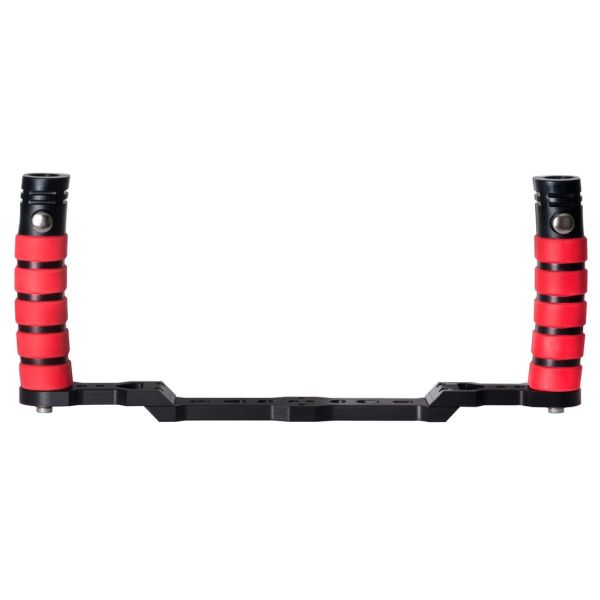
The advantage of Ikelite is that you can choose from components specifically designed for its own underwater housings. However, always check which tray and mounting components are compatible with your particular housing.
Please note: Ikelite trays do not automatically include ball mounts. For this purpose, you can use the Ikelite Stem Mount with 1-inch Ball #4081.31, for example.
Explore the full range of Ikelite trays and handles.
6. DIVEVOLK: A Dedicated Tray for SeaTouch Smartphone Housings
If you use a DIVEVOLK SeaTouch smartphone housing, DIVEVOLK also offers its own dedicated tray system.
Single- and dual-handle versions are available. The single tray is a compact solution if you're using one video light. The dual tray provides more grip and allows you to mount lighting on both sides.
The dual version is also adjustable in width, allowing you to change the distance between the handles to suit your preferences.
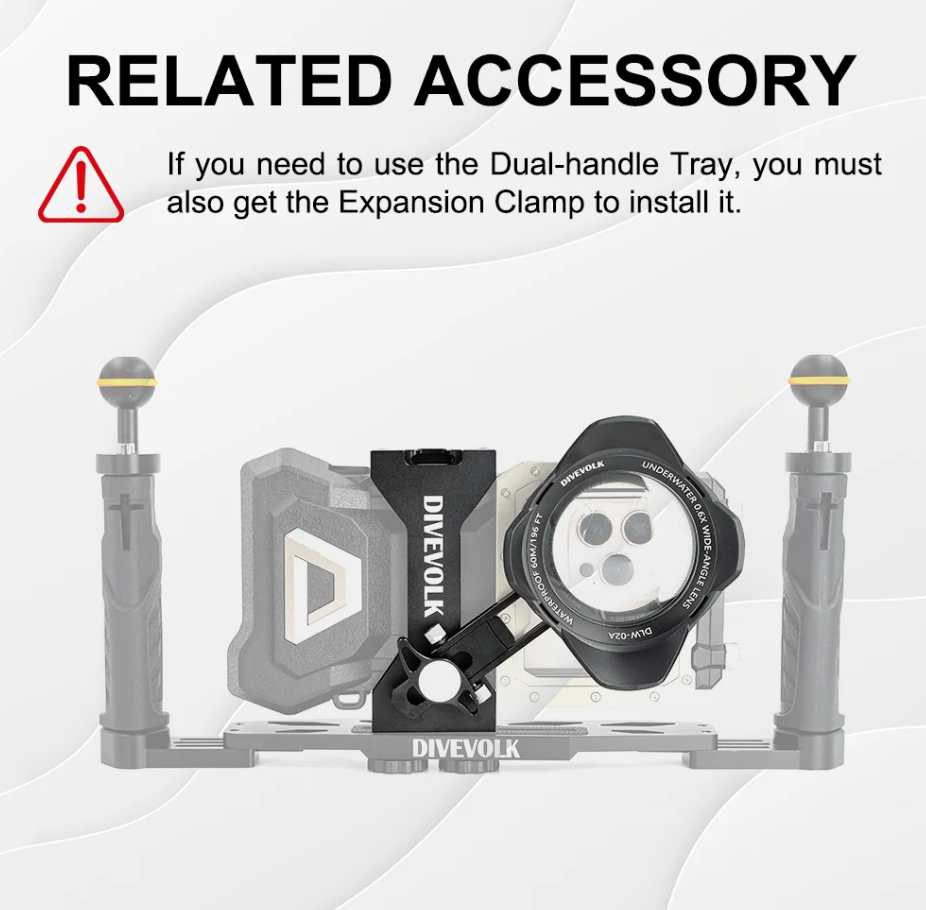
Don't Forget the Expansion Clamp!
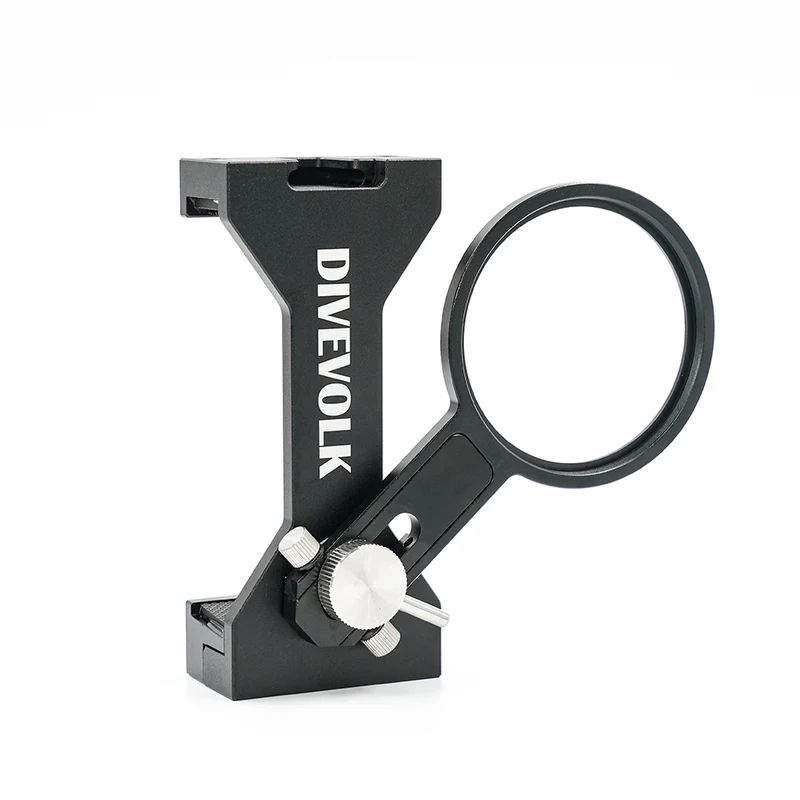
This is an important detail when using DIVEVOLK trays. To attach the tray to your SeaTouch housing, you'll need the dedicated DIVEVOLK Expansion Clamp.
This clamp provides the connection between the housing and the tray. It can also be used to attach various lenses and filters.
Without this clamp, you won't be able to mount the DIVEVOLK tray to your SeaTouch housing in the intended way.
Want to take photos or record video with your smartphone in portrait orientation? You'll also need a compatible L-bracket.
DIVEVOLK trays are particularly interesting if you want to expand your smartphone housing with a stable grip and external lighting.
Explore the DIVEVOLK trays.
Which Tray Is Best for Your Camera?
The best tray for your underwater camera system depends on the configuration you want, the accessories you plan to use and how easily you'd like to expand your setup in the future. Some trays are particularly versatile, while others stand out because of their modular design or their compatibility with a specific brand of underwater housing.
WeeFine: The Most Versatile Option
Looking for a tray that works with different camera systems? WeeFine is an excellent choice.
Thanks to their adjustable width and various configuration options, these trays are suitable for a wide range of setups, from action cameras and compact cameras to larger mirrorless camera systems.
You can choose between one or two handles and combine the tray with flex arms or standard 1-inch ball mounts. This makes it easy to adapt your underwater camera system to the accessories you use. The ergonomic design of the handles is another advantage.
AOI MDS: Maximum Freedom to Expand
The AOI MDS system is particularly interesting if you want to expand your underwater camera setup or build a custom configuration. Thanks to its modular design, you can combine different components and mounting points to create a system that suits your needs.
The system works particularly well with AOI action cameras and underwater housings, but also offers possibilities for other configurations. One thing to keep in mind is that the handles are somewhat less ergonomic than those offered by WeeFine.
Ikelite and SeaLife: Designed Around Their Own Systems
If you use an Ikelite or SeaLife underwater housing, the corresponding trays are a logical option. These systems are designed with their own housings and accessories in mind.
The advantage is that you stay within one ecosystem and use components that are designed to work together. However, keep in mind that you're more dependent on the specific mounting options and accessories offered by each brand.
Quick Overview
- WeeFine: The most versatile choice for different camera systems and configurations.
- AOI MDS: Particularly interesting if you want plenty of freedom to build and expand a modular system.
- Ikelite and SeaLife: Logical choices if you already use an underwater housing from the same manufacturer.
Whichever tray you choose, always check that its dimensions, mounting points and accessories are compatible with your specific underwater housing.
Don't Forget About Buoyancy!
One aspect that's often overlooked when putting together an underwater camera tray is the overall buoyancy of your camera system.
A tray with two handles, multiple arms, large video lights and a wet lens can add quite a bit of weight to your setup. But underwater, weight isn't the only factor that matters. The buoyancy of the individual components also plays an important role.
Some video lights are quite negatively buoyant, while certain accessories may be positively buoyant. That's why it's important to consider the entire system rather than just the weight of the individual components.
You can use buoyancy floats or dedicated float arms to adjust the buoyancy of your setup. The goal is to create a system that's as close to neutral buoyancy as possible. This makes it easier to hold and position your camera comfortably without constantly having to fight against its weight.
This becomes particularly important when working with larger camera systems and multiple accessories. A well-balanced setup makes underwater photography and videography much more enjoyable.
Comparison: Which Tray Is Suitable for Which Camera System?
To make the differences easier to understand, we've summarized the main characteristics of the brands discussed in this blog.
| Brand | Main Advantage | Best Suited For |
|---|---|---|
| WeeFine | Adjustable design, versatile configurations and a choice of flex arms or ball mounts | Compact and larger camera systems |
| AOI MDS | Modular system that you can assemble yourself | Various mirrorless camera systems; particularly well suited to AOI underwater housings |
| SeaLife Flex-Connect | User-friendly click system | SeaLife action cameras and smartphone housings |
| Backscatter | Sturdy aluminium dual tray with expandable Arch top handle | Action cameras and compact cameras |
| Ikelite | Dedicated trays for Ikelite underwater housings | Ikelite compact camera, DLM and DL housings |
| DIVEVOLK | Works seamlessly with SeaTouch smartphone housings when used with the Expansion Clamp | DIVEVOLK SeaTouch smartphone housings |
This overview highlights the main differences between the available systems. Always check the product specifications and compatibility before purchasing a tray.
Conclusion: Start with Your Camera and How You Use It
Ultimately, the best underwater camera tray isn't necessarily the most expensive or the most elaborate one. It's the tray that suits your camera system and the way you enjoy underwater photography or videography.
If you're using a compact camera with one video light, there's no need to overcomplicate things. A single tray will often be sufficient. If you're using two video lights or strobes, or simply want more control when filming, a dual tray is a logical next step.
Looking for flexibility and plenty of expansion options? The adjustable WeeFine trays and modular AOI MDS system are both interesting choices. If you prefer a system specifically designed for your underwater housing, choosing a tray from the same manufacturer is often the most straightforward solution.
When making your decision, think not only about what you need today but also about which accessories you might want to add in the future. Pay attention to compatibility, the type of arms you want to use and the overall buoyancy of your complete setup.
Still not sure which tray is right for your underwater camera? Feel free to get in touch with us. We have extensive experience with different underwater camera systems and are happy to help you choose the right tray and arms for your underwater housing.