
 Nederlands
ROVs
Underwater drones, also known as ROVs (remotely operated vehicles), are tethered underwater robots equipped with cameras and lighting. They are used for underwater inspection, exploration, marine research and underwater filming.
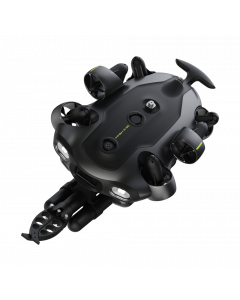
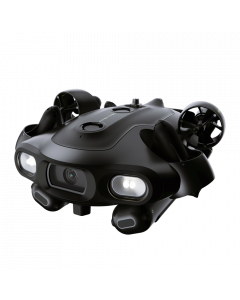 QYSEA FIFISH E-GO professional underwater drone / ROV [E100]€6,895.00 €5,698.35Backorder. Ready for shipment in 2 to 4 weeks
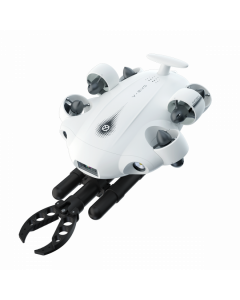 QYSEA FIFISH V-EVO underwater drone / ROV with arm (SD card)€1,999.00 €1,652.07Backorder. Ready for shipment in 1 to 2 weeks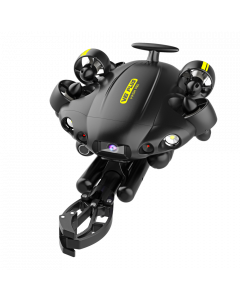
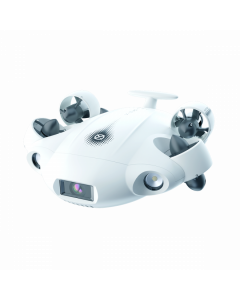 QYSEA FIFISH V-EVO underwater drone / ROV (with SD card)€1,699.00 €1,404.13Backorder. Ready for shipment in 1 to 2 weeks
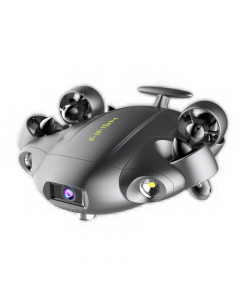 QYSEA FIFISH V6 EXPERT Underwater Drone / ROV - 100 meter€3,195.00 €2,640.50Backorder. Ready for shipment in 2 to 4 weeks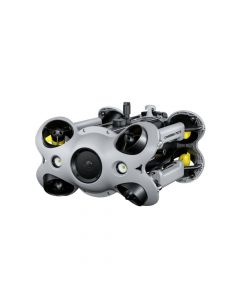
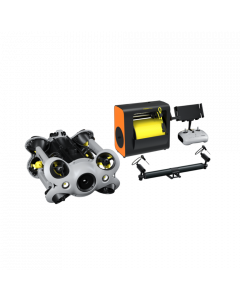
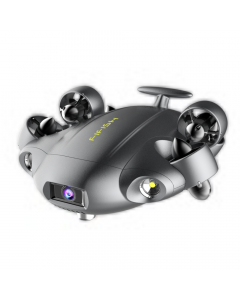 QYSEA FIFISH V6 EXPERT Underwater Drone/ROV - 200m + caseSpecial Price €3,695.00 €3,053.72 Regular Price €3,795.00In stock
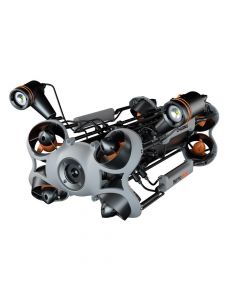 CHASING M2 PRO Max ROV Industrial-Grade Underwater ROV - 200mSpecial Price €7,923.00 €6,547.93 Regular Price €8,024.62Backorder. Ready for shipment in 2 to 4 weeks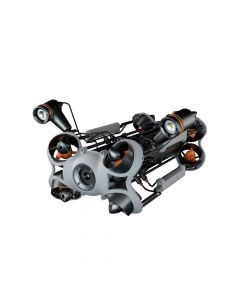
 QYSEA FIFISH E-GO underwater drone/ ROV +arm +energy station€9,195.00 €7,599.17Backorder. Ready for shipment in 2 to 4 weeks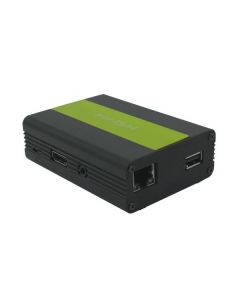
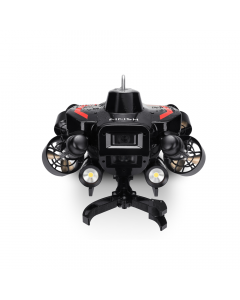 QYSEA FIFISH PRO W6 industrial underwater ROV / drone€0.00 €0.00Special order product, non-cancelable, non-returnable !
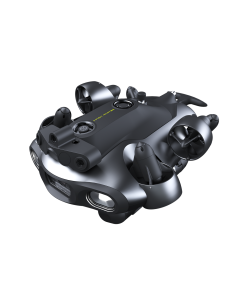 QYSEA FIFISH E-MASTER Navi underwater drone/ ROV€0.00 €0.00Special order product, non-cancelable, non-returnable !
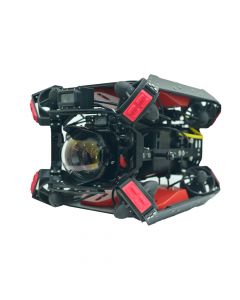 QYSEA FIFISH PRO Zen1 Cinematic underwater ROV€0.00 €0.00Special order product, non-cancelable, non-returnable !
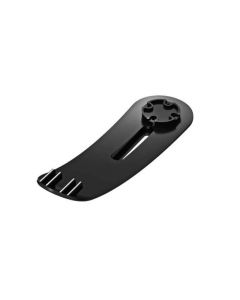 QYSEA light mount for FIFISH V6 underwaterdrone€69.00 €57.02Backorder. Ready for shipment in 2 to 4 weeks
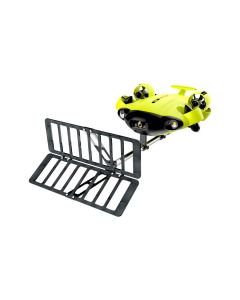 QYSEA underwater dozer for FIFISH V6 series underwaterdrone€219.00 €180.99Backorder. Ready for shipment in 2 to 4 weeks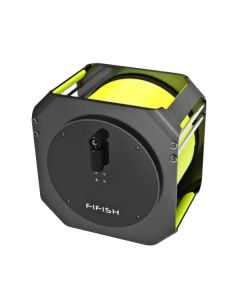
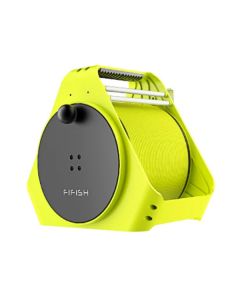
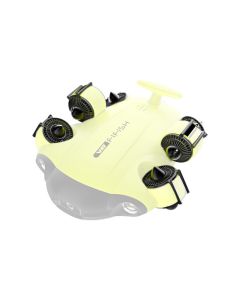
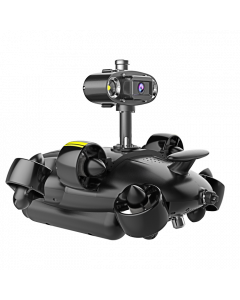
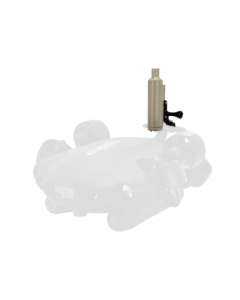 QYSEA UQPS positioning System for FIFISH PRO V6 PLUS€0.00 €0.00Backorder. Ready for shipment in 2 to 4 weeks
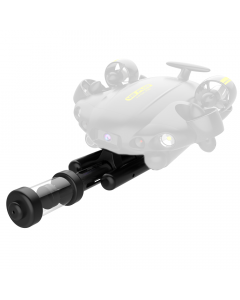 QYSEA water sampler for FIFISH PRO V6 PLUS€0.00 €0.00Backorder. Ready for shipment in 2 to 4 weeks
What an underwater drone or ROV is and how it is used
An underwater drone, also known as an ROV (remotely operated vehicle), is a remotely controlled underwater robot equipped with thrusters, cameras and lighting. The operator controls the unit from the surface via a tether that provides power and data transmission.
These systems are used to inspect submerged structures, document underwater conditions and locate objects without requiring a diver to enter the water.
Underwater ROV drones from leading manufacturers
Professional underwater drones are produced by specialised manufacturers such as QYSEA (FIFISH series) and Chasing Innovation. These ROV systems are used for ROV inspection, underwater exploration and underwater filming in both professional and recreational environments.
Operational considerations before deployment
System selection depends on required depth, water clarity, current strength and working distance from the operator position.
- Depth rating and tether length
- Camera resolution, lighting and stability
Application areas: inspection, search and recreational use
Inspection ROVs are used for hull surveys, quay wall assessment, bridge foundations, pipelines and aquaculture installations. Live video allows condition assessment and documentation.
Search configurations prioritise visibility and controlled positioning in harbours, rivers and inland waters. Recreational systems focus on compact deployment for seabed observation and private waterfront checks.
Expansion modules and system integration
Many underwater drone systems support additional modules such as robotic grabber arms for recovery tasks, sonar units for low-visibility navigation and environmental sensors.
Protective hard cases are available for storage and transport of drone units, control stations and tether reels during field operations.
Choosing and configuring an underwater ROV drone
Professional deployments may require configuration of tether length, lighting output and optional tooling based on operational depth and environmental conditions.
For project-based inspection or search work, technical consultation can assist in defining a suitable drone platform and compatible accessory setup.
- Tethered underwater drone systems
- Used for inspection and search operations
- Expandable with sonar and grabber arms
- Configurable for different water conditions
- Protective transport solutions available
Questions about underwater drones and ROVs
What is the difference between an underwater drone and an ROV?
The terms underwater drone and ROV are often used interchangeably. ROV stands for remotely operated vehicle and refers to a tethered underwater robot controlled from the surface.
How deep can underwater drones go?
Depth ratings depend on the model. Professional underwater ROV drones can operate from around 100 metres to several hundred metres depending on tether length and pressure resistance.
Can underwater drones be used for search and rescue?
Yes. Underwater drones are widely used in search and recovery operations because they provide real-time video and reduce risks for divers. See a real example of search and rescue with underwater drones.
Learn more about underwater drones
Want to learn more about choosing and using an underwater drone? We have written several articles to help you understand the differences between systems, accessories and real-world applications.
- Choosing the right underwater drone (ROV)
- Qysea or Chasing: which underwater drone fits your workflow?
- What is sonar and how does it work on an underwater drone?
- Underwater drones in practice: search and rescue
These articles give you more insight into underwater drone applications, system differences and useful expansion options for professional work.