A snoot is an optical accessory that narrows the beam of a strobe or video light. It is used in underwater photography for macro, selective lighting, and background control.
Frequently asked questions about underwater snoot photography
What does a snoot do in underwater photography?
A snoot narrows the light beam from an underwater strobe so only a small part of the subject is illuminated. It is often used for underwater macro photography.
Why do underwater photographers use snoots?
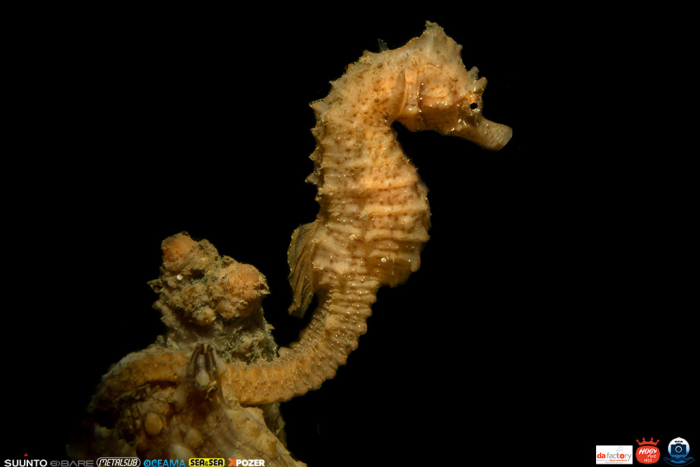
Snoots help darken distracting backgrounds and emphasise details or textures in the subject.
What is the difference between a standard snoot and an optical snoot?
A standard snoot, also called a reduction snoot, narrows the light beam mechanically. An optical snoot uses lenses to create a sharper and more powerful beam.
Why is positioning important in snoot photography?
The light beam from a snoot is very narrow. Small changes in distance or angle can directly affect how the subject is lit.
Which subjects are suitable for snoot photography?
Snoots are often used for macro subjects such as nudibranchs, shrimps, frogfish and other relatively static reef animals.
Are ball arms or flex arms better for snoots?
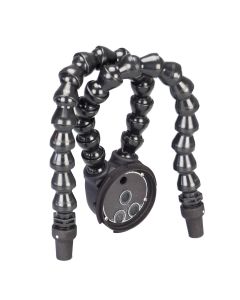
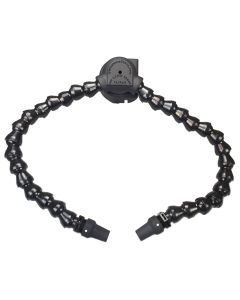
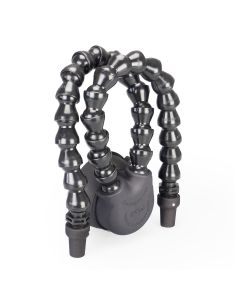
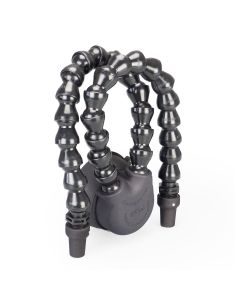
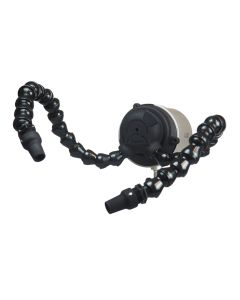
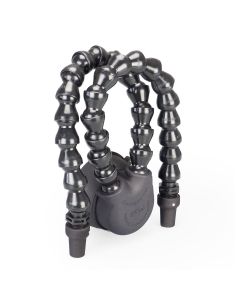
Ball arms provide more stability and precise positioning. Flex arms are quicker to adjust and are often used with compact configurations.
Snoot lighting has become one of the most creative tools in modern underwater photography. It gives photographers precise control over light, allowing you to isolate subjects, remove distracting backgrounds, and create highly dramatic, sculpted images.

 Nederlands